
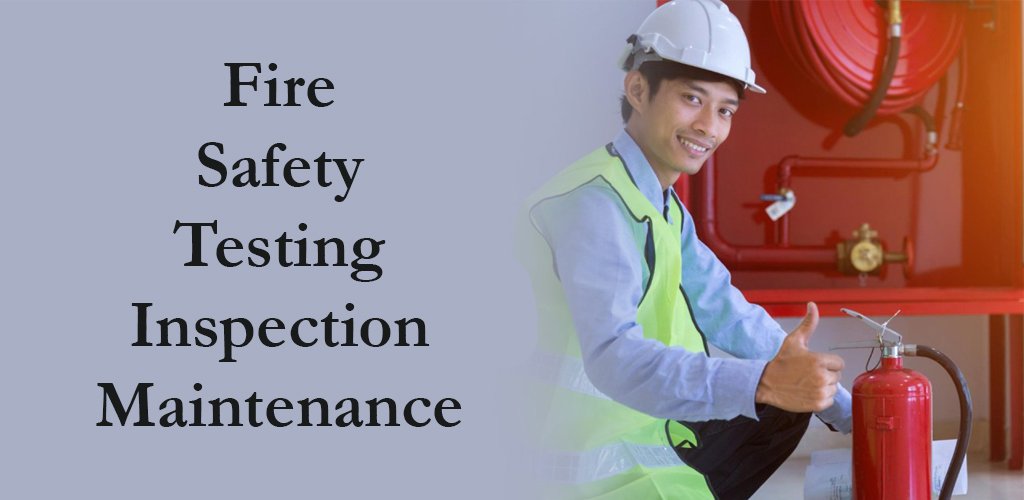
Fire Safety Testing, Inspection and Maintenance
Fire Safety Testing, Inspection, and Maintenance (TIM) are critical processes that ensure fire protection systems work effectively during emergencies. Fire safety equipment such as fire extinguishers, fire alarms, sprinkler systems, hydrants, and smoke detectors must be regularly tested and maintained to guarantee proper performance when a fire occurs.
In residential, commercial, and industrial buildings, fire protection systems are installed to safeguard lives, property, and business operations. However, these systems must be inspected and maintained regularly to remain reliable and compliant with fire safety regulations.
Regular fire safety inspection and maintenance services help identify potential faults, prevent system failure, and ensure compliance with national fire safety standards and building codes.
Importance of FSTIM
Fire service equipment must be operational at all times. Without proper maintenance, even the best fire protection systems may fail during emergencies.
1. Life Safety
The primary purpose of fire safety systems is to protect human lives. Proper inspection ensures that alarms, sprinklers, and extinguishers work immediately when needed.
2. Property Protection
Timely maintenance reduces fire damage to buildings, machinery, and equipment.
3. Legal Compliance
Many fire service laws and building regulations require periodic inspection and certification of fire protection systems.
4. Early Fire Detection
Testing ensures that fire alarms and detectors activate quickly during fire incidents.
5. Business Continuity
Regular maintenance prevents system failure and reduces operational risks.
Safety Equipment Covered in Inspection and Fire Safety Maintenance
Professional fire safety services include inspection and maintenance of various fire protection systems.
Fire Extinguishers
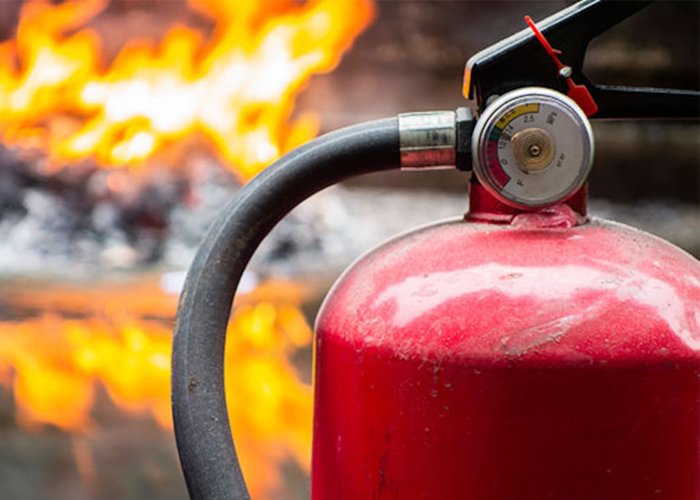
Fire extinguishers are the first line of defense against small fires. Regular inspection ensures they are ready for use.
Inspection Includes
Checking pressure gauge
Inspecting hose and nozzle
Verifying safety pin and seal
Checking expiry date
Refilling or servicing if necessary
Monthly visual inspections and annual servicing are recommended.
Fire Alarm Systems
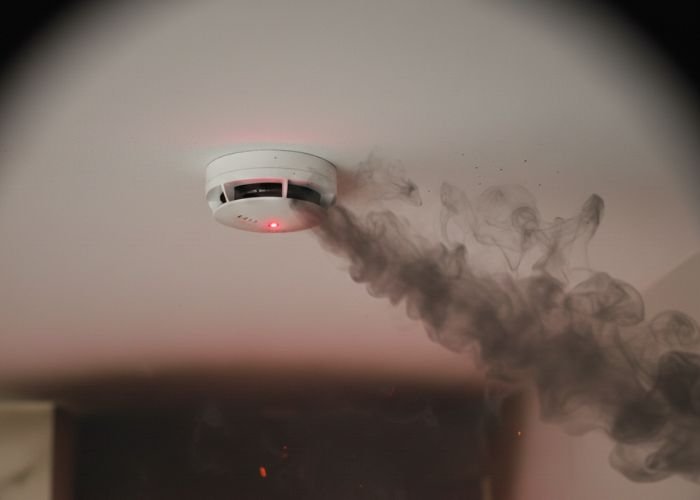
Fire alarm systems detect smoke or heat and alert building occupants during a fire.
Inspection Process
Testing smoke detectors
Checking heat detectors
Inspecting control panels
Testing alarm sounders
Verifying battery backup
Routine testing ensures early warning and quick evacuation.
Fire Sprinkler Systems
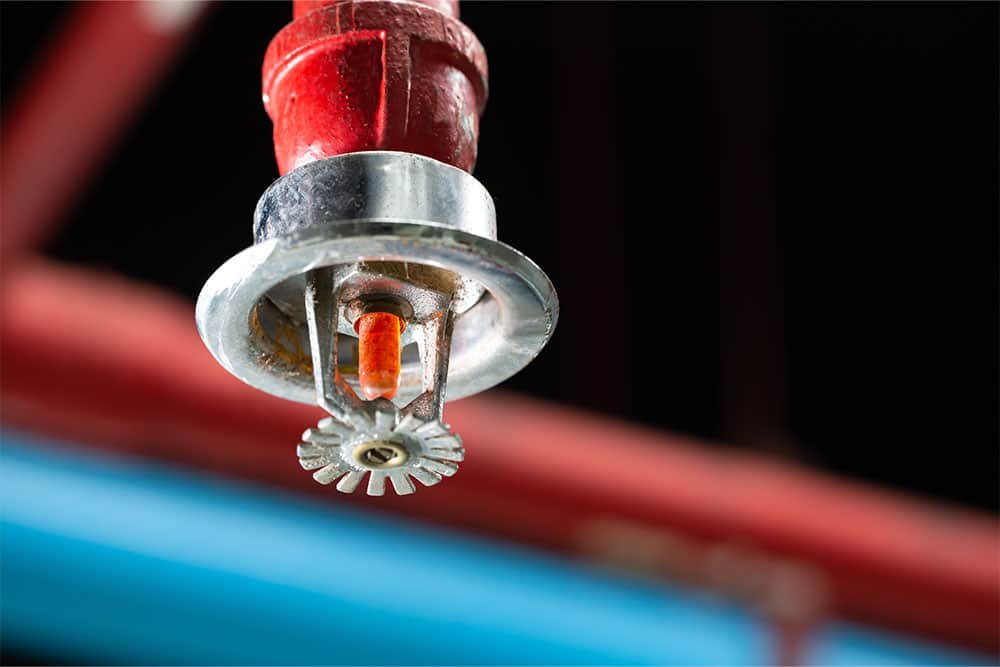
Automatic sprinkler systems suppress fires by releasing water when high temperatures are detected.
Maintenance Includes
Inspecting sprinkler heads
Checking water pressure
Testing valves and pumps
Inspecting piping systems
Conducting flow tests
Proper maintenance ensures rapid fire suppression.
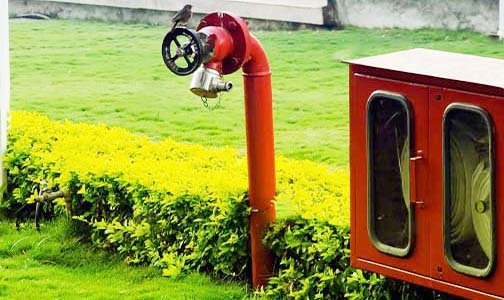
Fire Hydrant Systems
Fire hydrant systems provide a reliable water supply for firefighting during emergencies.
Inspection Includes
Checking hydrant valves
Testing hose reels
Inspecting pumps
Checking water pressure
Ensuring accessibility of hydrant points
Hydrant systems must be regularly tested to ensure sufficient water flow.
Smoke Detectors and Sensors
Smoke detectors provide early warning of fire hazards.
Testing Includes
Sensitivity testing
Battery replacement
Sensor cleaning
Alarm response verification
Regular maintenance prevents false alarms and detection failures.
Fire Safety Testing and Inspection Process
Site Assessment
Technicians evaluate the building layout and fire safety systems.
Equipment Inspection
All fire protection equipment is visually inspected for damage or defects.
Functional Testing
Inspection ensures compliance with fire safety codes and regulations.
Maintenance and Repair
Faulty components are repaired or replaced.
Compliance Check
Inspection ensures compliance with fire safety codes and regulations.
Inspection Report
A detailed report is provided with recommendations and certification.
Frequency of Fire Safety Inspection
Fire service equipment should be inspected at regular intervals.
Monthly Inspection
Visual inspection of fire extinguishers
Checking fire alarms
Ensuring hydrants are accessible
Quarterly Inspection
Testing sprinkler systems
Checking alarm systems
- Inspecting fire pumps
Annual Inspection
Complete fire system testing
Extinguisher servicing
Compliance certification
Regular inspection schedules ensure system reliability.
Fire service testing, inspection, and maintenance are essential for ensuring that fire protection systems operate effectively during emergencies. Regular inspection and maintenance help detect faults early, maintain compliance with safety regulations, and protect lives and property.
By investing in professional fire safety services, building owners and businesses can significantly reduce fire risks and ensure a safe environment for occupants.
Regular testing and maintenance are not just a legal requirement but a crucial step in creating a reliable and effective fire protection system.