Water is one of the most essential natural resources for human survival, agriculture, and industrial development. India receives significant rainfall every year, especially during the monsoon season. However, despite this natural advantage, many parts of the country face severe water shortages. Rapid population growth, urbanization, over-extraction of groundwater, and climate change have increased pressure on existing water resources.
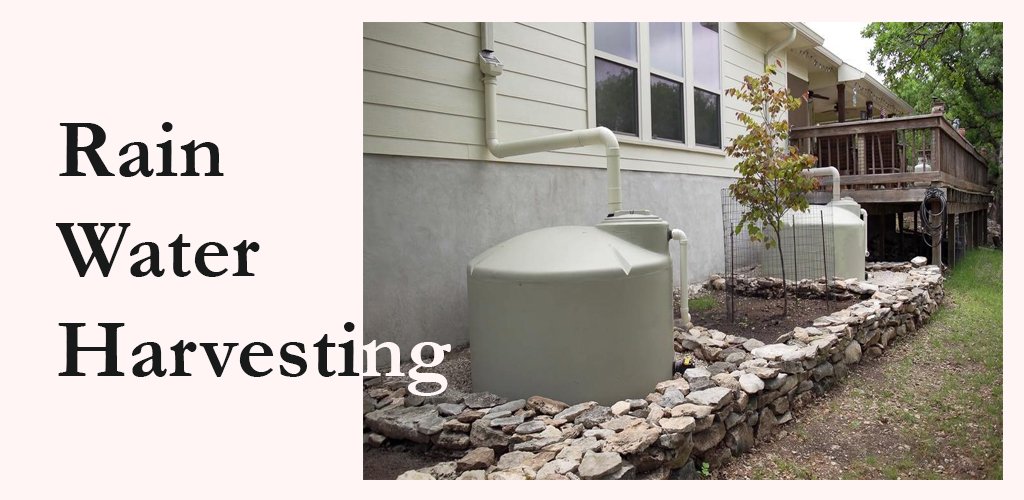
One of the most effective solutions to this growing water crisis is rain water harvesting (RWH). Rain water harvesting is the process of collecting, storing, and using rainwater for various purposes such as drinking, irrigation, cleaning, and groundwater recharge. This practice has been used in India for thousands of years and is now being revived as a sustainable water management strategy.
Experts estimate that only around 8% of rainwater is currently harvested in India, which means there is enormous potential for expanding this practice across the country.
This article explains the importance, history, techniques, government initiatives, benefits, and challenges of rainwater harvesting in India.
Historical Background of Rain water Harvesting in India
Rainwater harvesting is not a new concept in India. Ancient Indian civilizations developed innovative methods to collect and store rainwater for daily use.
Traditional systems included:
Stepwells (Baolis) in Rajasthan and Gujarat
Johads in Rajasthan villages
Tanks and temple ponds in South India
Kunds and tankas in desert regions
These systems were designed to store rainwater during the monsoon season and supply water throughout the year.
Recently, many of these historical structures are being restored to address modern water challenges. For example, restoration of old stepwells in cities such as Hyderabad has helped recharge groundwater and provide sustainable water sources.
Why Rain water Harvesting is Important in India
India depends heavily on groundwater for drinking and irrigation. Studies show that 85% of rural drinking water and nearly half of urban water supply comes from groundwater sources, which are rapidly declining.
Rainwater harvesting helps solve several critical water problems:
Rain water harvesting helps solve several critical water problems:
Water Scarcity
Many Indian cities like Chennai, Bengaluru, and Delhi face frequent water shortages. Rainwater harvesting provides an additional water source.
Groundwater Depletion
Excessive pumping of groundwater has caused water tables to fall in many regions. Rainwater harvesting helps recharge aquifers and restore groundwater levels.
Seasonal Rainfall
India receives most of its rainfall in just a few months during the monsoon. Harvesting rainwater allows storage for use during dry seasons.
Urban Flooding
Collecting rainwater reduces surface runoff and helps prevent flooding in urban areas.
Climate Change Adaptation
Rainwater harvesting improves resilience against droughts and irregular rainfall patterns.
Benefits of Rain water Harvesting
Rainwater harvesting provides several environmental, economic, and social benefits.
1. Water Conservation
It reduces dependence on rivers, lakes, and groundwater sources.
2. Groundwater Recharge
Harvested water can seep into the ground and increase the water table.
3. Cost Savings
Using rainwater reduces household and agricultural water expenses.
4. Flood Control
Capturing rainwater reduces stormwater runoff and urban flooding.
5. Sustainable Agriculture
Farmers can store rainwater for irrigation during dry periods.
6. Environmental Protection
Rainwater harvesting helps maintain ecosystems and reduces pressure on natural water bodies.
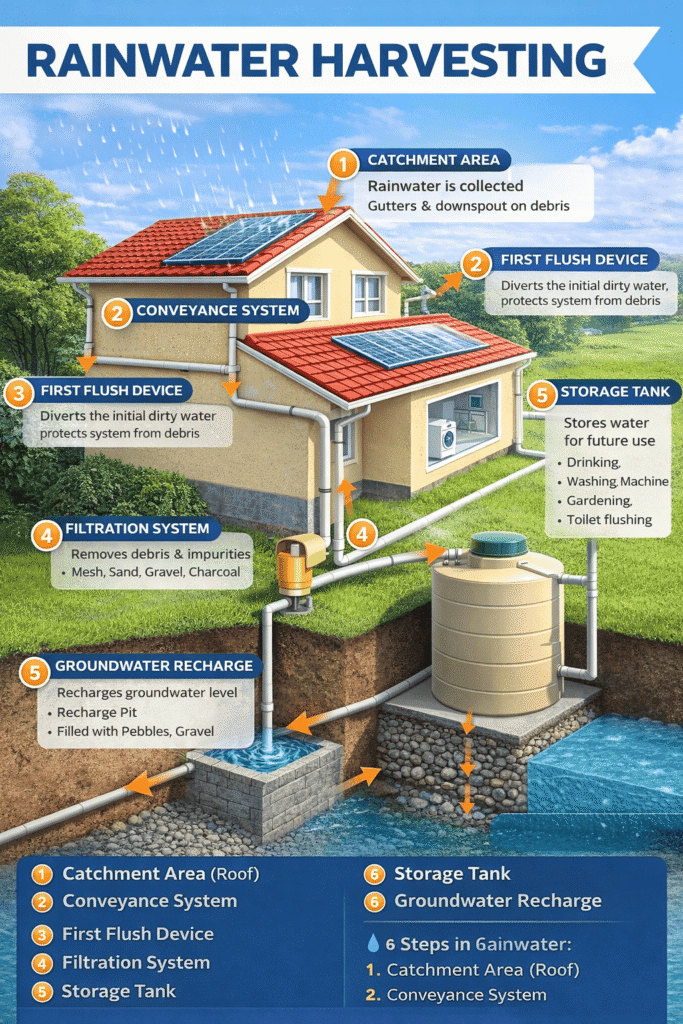
Main Components of a Rain Water Harvesting System
Catchment Area – Roof or surface where rainwater falls
Gutters & Downpipes – Channels to collect and transport water
Filter Unit – Removes leaves, dust, and debris
Storage Tank / Recharge Pit – Stores water or allows it to percolate into the ground
Overflow System – Handles excess water safely
Types of Rain Water Harvesting
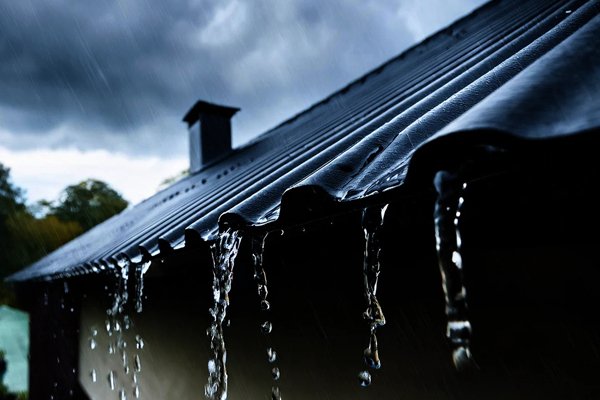
Rooftop Rainwater Harvesting
Water collected from rooftops is stored in tanks or directed to recharge pits.
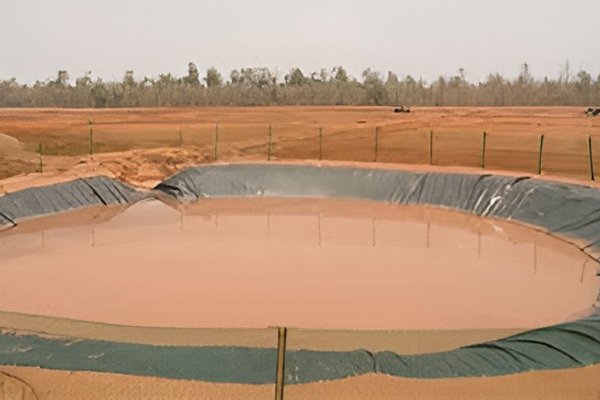
Surface Runoff Harvesting
Water from open areas is collected and stored in reservoirs or recharge wells.
Where It Is Used
Residential buildings
Apartments
Schools & colleges
Hospitals
Factories
Rural Areas
Government Initiatives for Rainwater Harvesting in India
The Government of India has launched several programs to encourage rainwater harvesting.
The “Catch the Rain” campaign encourages people to conserve rainwater where it falls and when it falls. The initiative promotes construction of recharge pits, ponds, and rainwater harvesting structures across the country.
The Mahatma Gandhi National Rural Employment Guarantee Scheme (MGNREGS) also supports construction of water harvesting structures in rural areas.
5. State-Level Regulations
Many states have made rainwater harvesting mandatory for:
New buildings
Apartments
Commercial complexes
Hotels and hospitals
For example, cities like Chennai, Bengaluru, and Delhi require buildings to install rainwater harvesting systems.
Success Stories of Rainwater Harvesting in India
Chennai – Mandatory Rainwater Harvesting
Chennai introduced compulsory rainwater harvesting for buildings in 2003. This initiative significantly improved groundwater levels in the city.
Rajasthan – Revival of Johads
Villages in Rajasthan have successfully revived traditional Johads (small water storage structures) to recharge groundwater and support agriculture.
Gujarat – Urban Rainwater Systems
Government programs have installed thousands of rainwater harvesting systems across municipalities, significantly increasing rainwater storage capacity.
Uttar Pradesh – Amrit Sarovar Mission
Thousands of ponds have been constructed or restored to improve water conservation and groundwater recharge in rural areas.