Emergency Safety Systems – Complete Protection for Life & Property
Emergency system are essential components of modern buildings, industries, commercial facilities, and public infrastructure. These systems are designed to detect emergencies quickly, alert occupants, control hazards, and support safe evacuation. Whether it is a fire, power failure, gas leak, or other dangerous situation, emergency system play a critical role in minimizing risk, protecting human life, and reducing property damage.
In today’s rapidly developing industrial and commercial environment, installing reliable emergency systems is not only a safety measure but also a legal and regulatory requirement in many countries, including India. Properly designed emergency systems ensure that organizations remain compliant with safety standards while providing a secure environment for employees, visitors, and residents.
This guide explains the importance, components, types, and benefits of modern emergency safety systems used in buildings and industries.
What Are Emergency Systems?
Emergency system are a combination of devices, alarms, control panels, communication systems, and safety equipment that work together to respond immediately during dangerous situations.
These systems help to:
Detect hazards such as fire or smoke
Alert occupants about the emergency
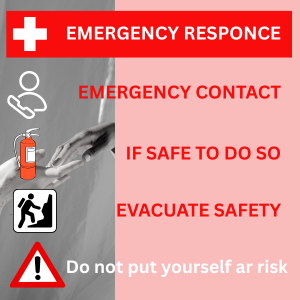
Provide guidance for safe evacuation
Assist emergency response teams
Control and reduce damage caused by the incident
Emergency system are commonly installed in:
Industrial Factories
Commercial Buildings
Shopping Malls
Hospitals
Hotels
Educational Institutions
Residential Complexes
Warehouses and Logistics Centers
Without proper emergency systems, even a small incident can quickly turn into a major disaster.
Importance of Emergency Systems
Emergency systems are designed primarily to save lives and prevent disasters. Their importance in modern infrastructure cannot be overstated.
The most important purpose of emergency systems is to protect people. Early detection and warning allow occupants to evacuate the building safely before the situation becomes critical.
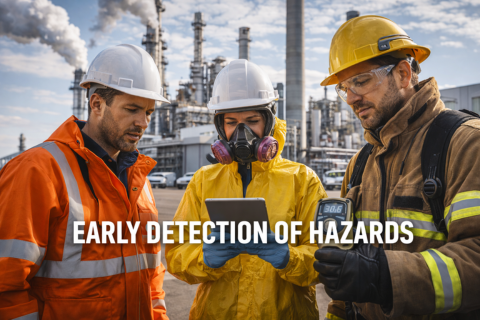
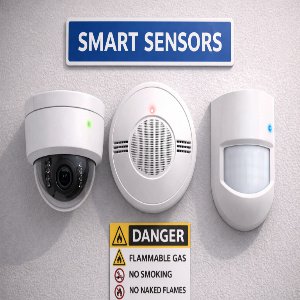
Many emergency systems include sensors and detectors that identify problems at an early stage. Detecting hazards early allows faster response and prevents incidents from escalating.
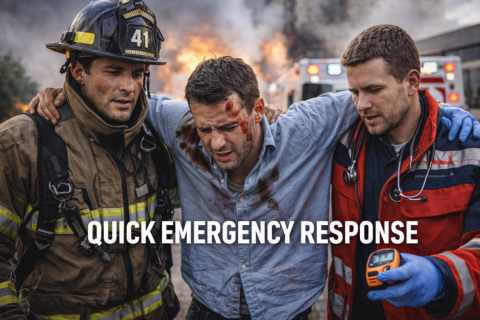
Emergency alarms and communication systems notify occupants, security staff, and emergency responders immediately. This ensures that appropriate action can be taken without delay.
Automatic emergency system help control hazards before they spread, minimizing damage to equipment, buildings, and valuable assets.
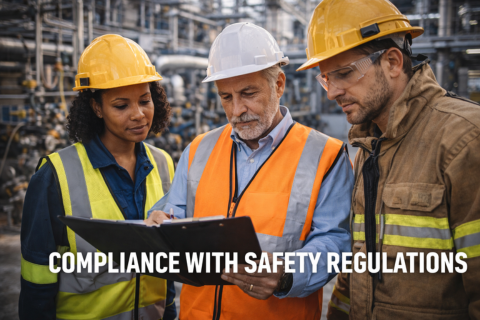
Government authorities and building safety codes often require emergency safety systems in commercial and industrial facilities.
Employees feel more secure when proper emergency safety system are installed and maintained. This improves overall workplace safety and productivity.
Major Types of Emergency Systems
Emergency safety systems include several technologies designed to respond to different types of hazards. Some of the most important systems are described below.
Fire Detection and Alarm Systems
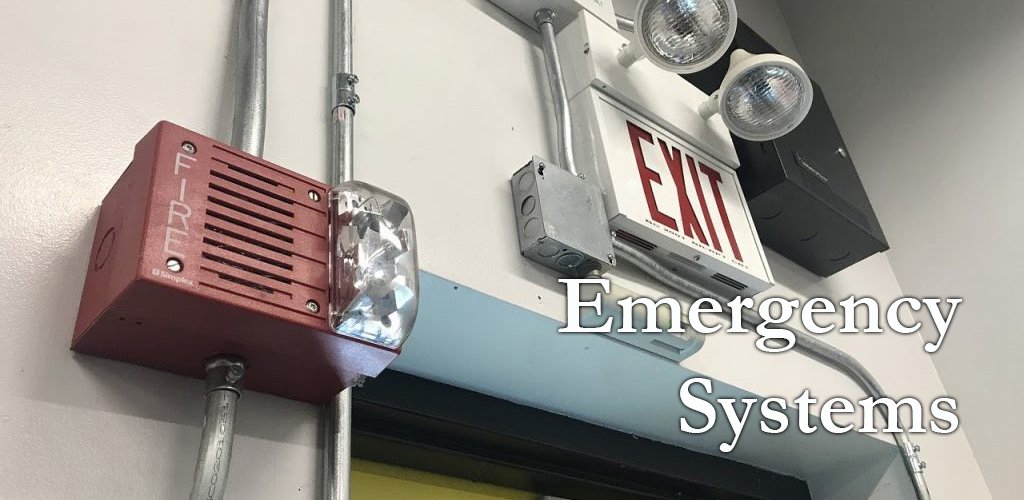
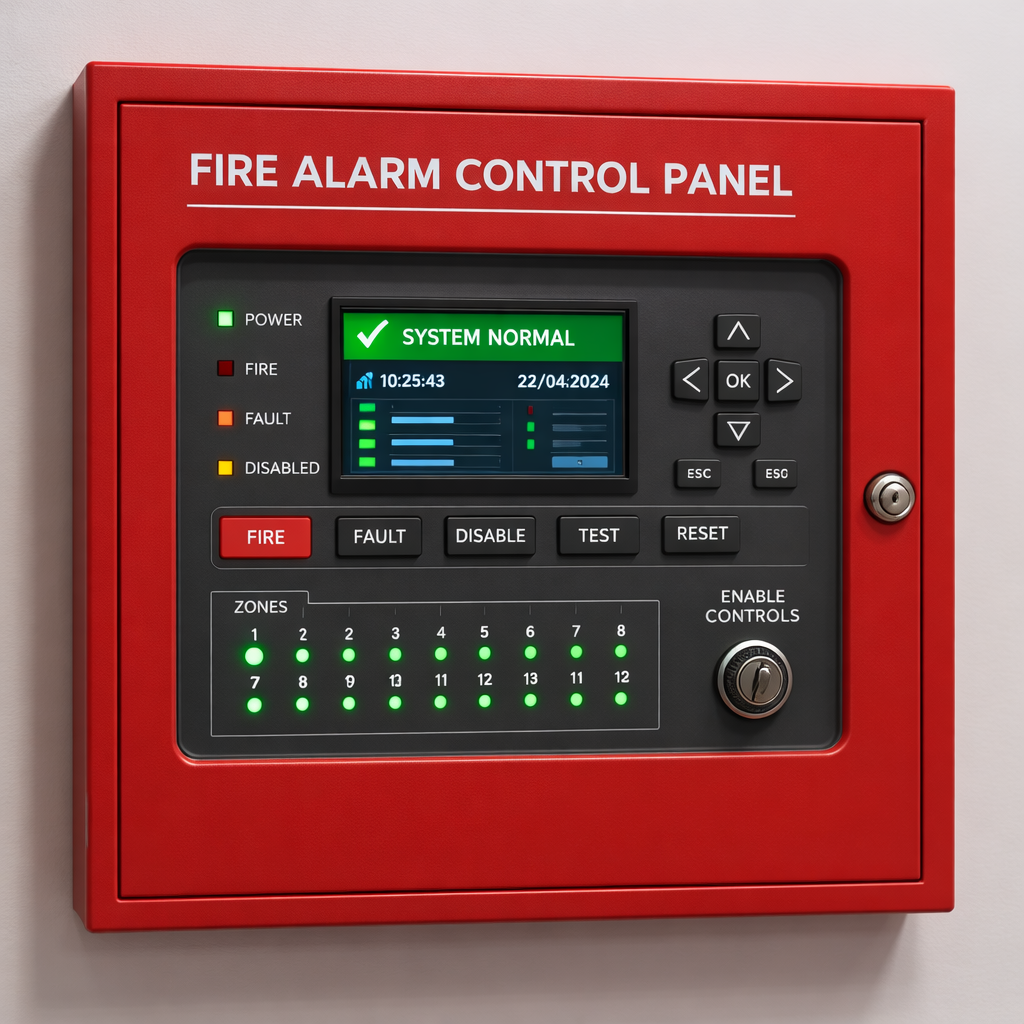
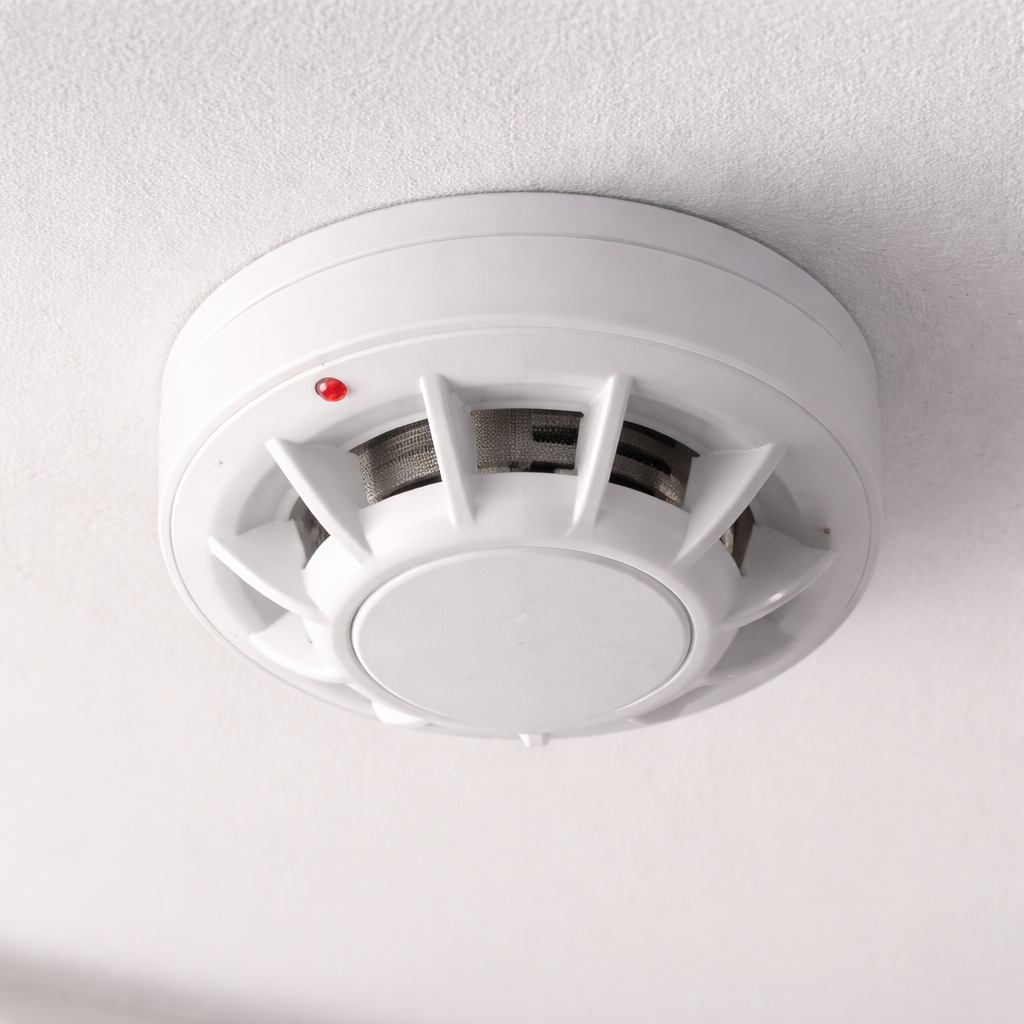
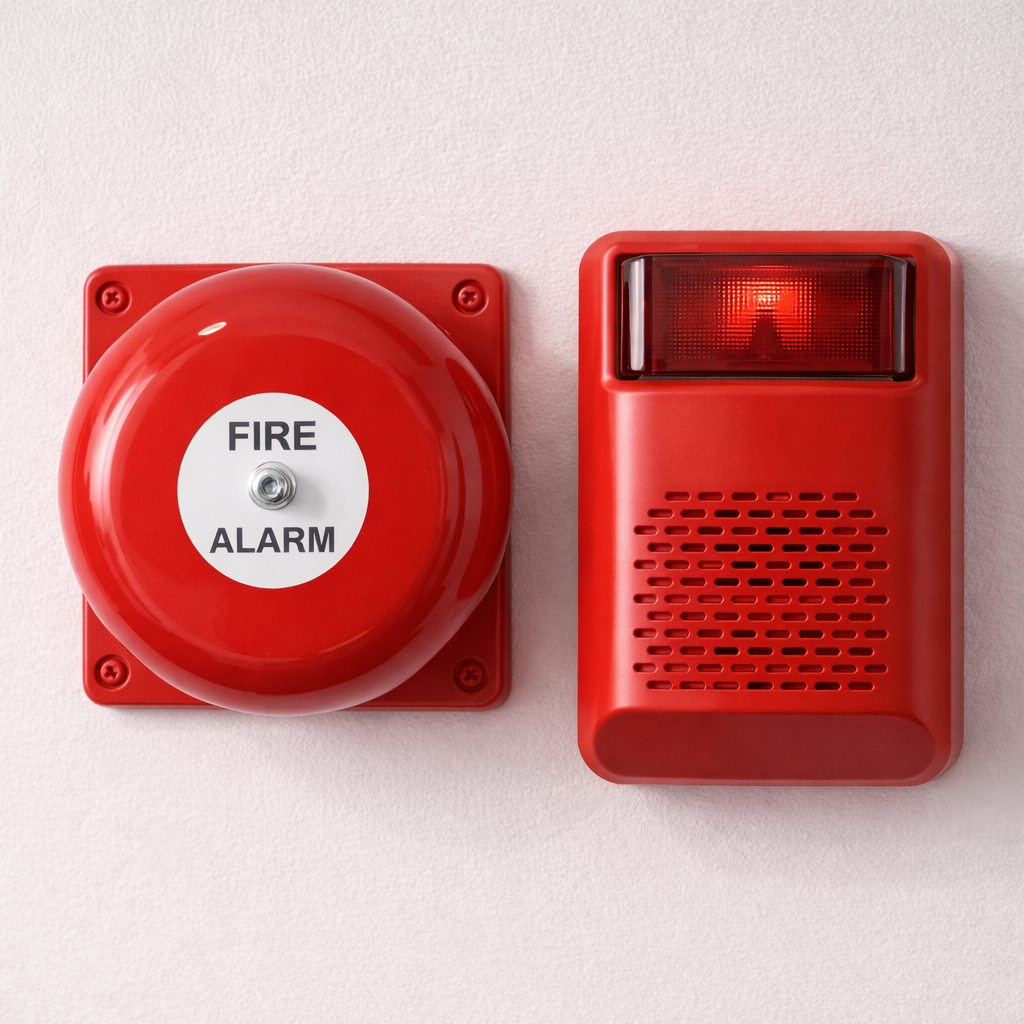
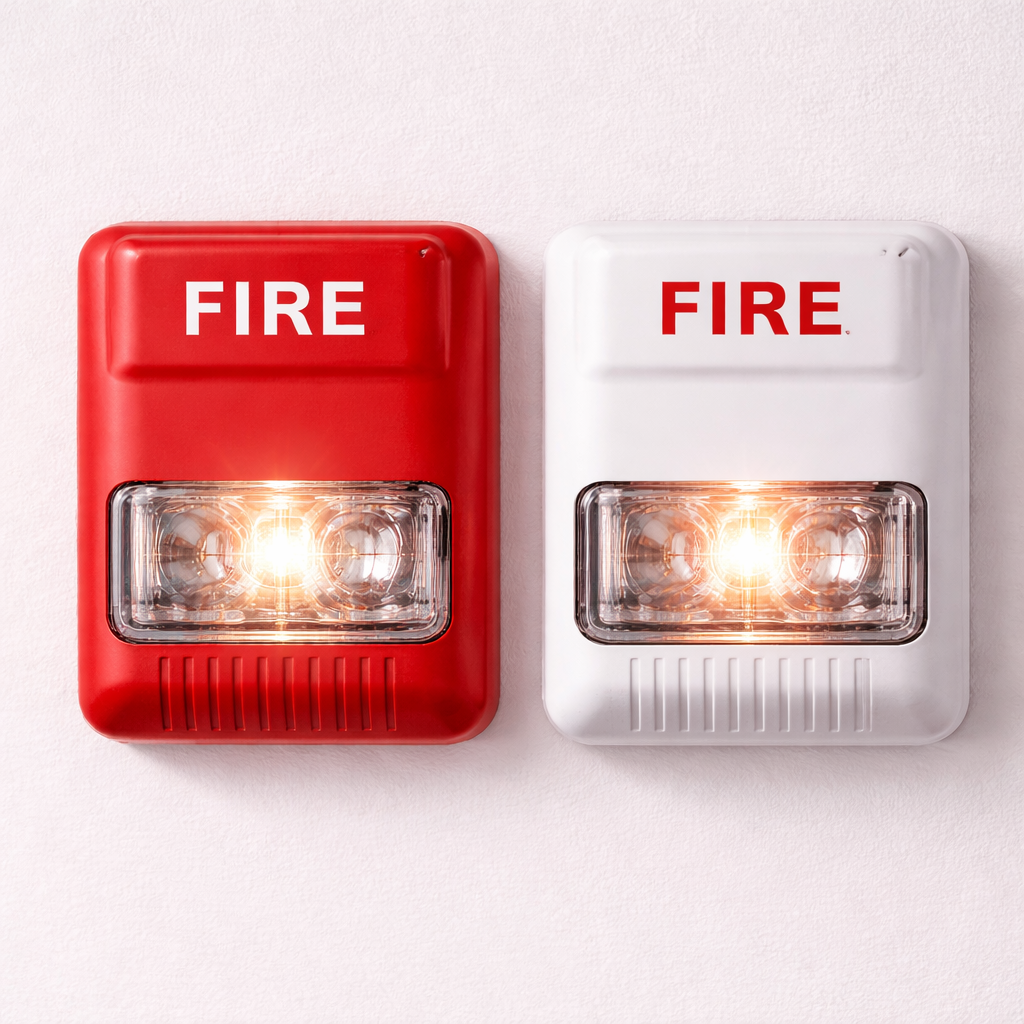
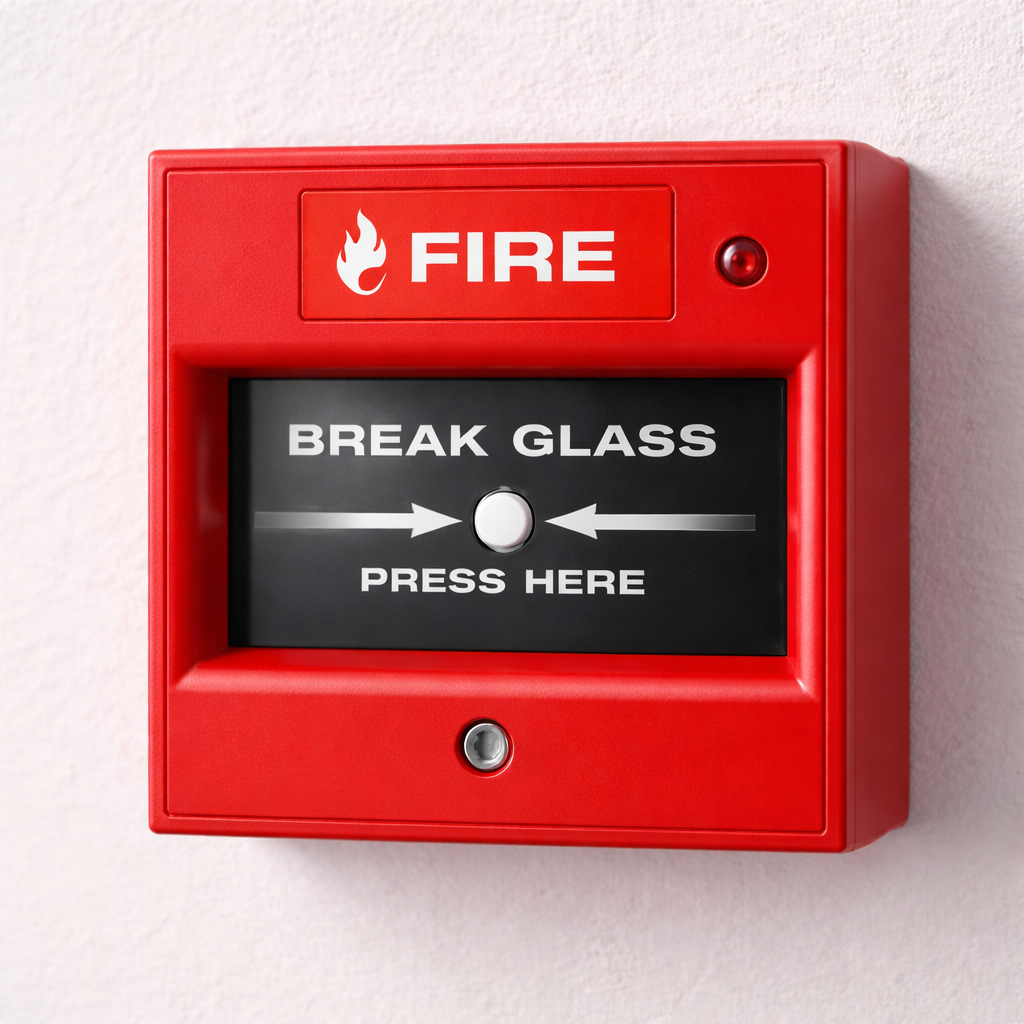
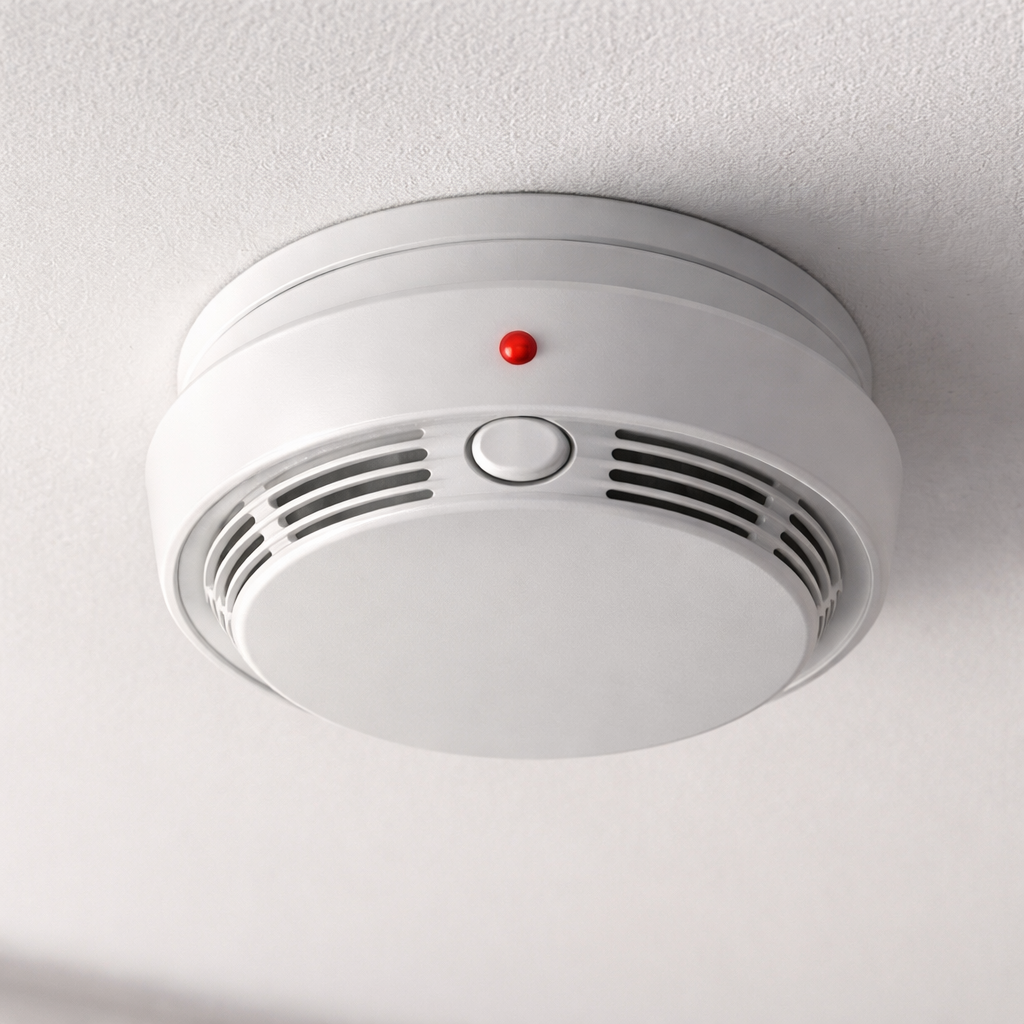
Fire detection and alarm systems are among the most critical emergency systems in any building. These systems detect the presence of smoke, heat, or flames and immediately activate alarms to warn occupants.
Fire detection and alarm systems are among the most critical emergency systems in any building. These systems detect the presence of smoke, heat, or flames and immediately activate alarms to warn occupants.
A typical fire alarm system includes:
When smoke or heat is detected, the system sends a signal to the control panel, which activates alarms throughout the building. This alerts people to evacuate and allows emergency response teams to act quickly.
Modern fire alarm systems may also be connected to monitoring centers or fire departments for faster response.
Emergency Lighting Systems
During an emergency such as fire or power failure, normal lighting may stop working. This can cause panic and confusion, making evacuation difficult.
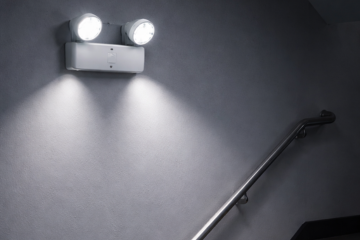
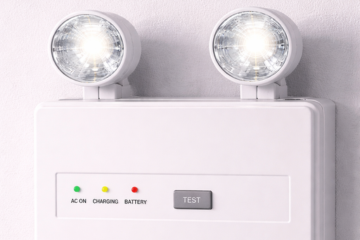
Emergency lighting systems automatically activate when the main power supply fails. These systems provide sufficient illumination for occupants to safely exit the building.
Emergency lighting typically includes:
Exit Sign Lights
Corridor Emergency Lights
Staircase Emergency Lighting
Backup Battery Lighting Systems
These lights remain operational during power outages, ensuring safe movement toward exit routes and preventing accidents in dark areas.
Public Address and Voice Evacuation Systems
Public address systems are used during emergencies to provide clear instructions to building occupants. These systems allow security personnel or automated systems to broadcast announcements during emergencies.
Voice evacuation systems can provide messages such as:
Fire Warning Announcements
Evacuation Instructions
Safety Guidance for Occupants
Emergency Response Information
Compared to simple alarm bells, voice evacuation systems are more effective because they provide clear directions and reduce confusion during emergencies.
Emergency Communication Systems
Communication plays a vital role during emergencies. Emergency communication systems ensure that security teams, emergency responders, and occupants can communicate effectively during dangerous situations.
These systems may include:
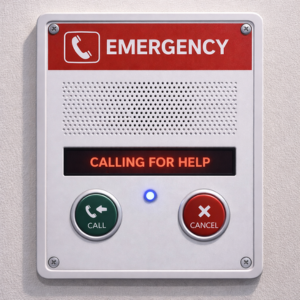
Emergency Intercom Systems
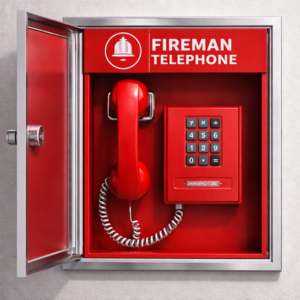
Fireman Telephones
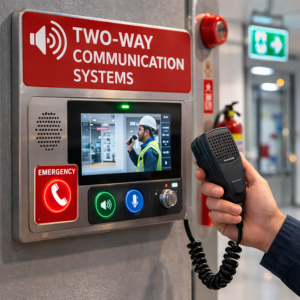
Two-way Communication Systems
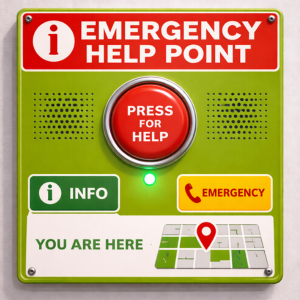
Emergency Help Points
Such communication systems help coordinate evacuation, provide assistance to trapped individuals, and ensure that emergency responders receive accurate information about the situation.
Gas Leak Detection Systems
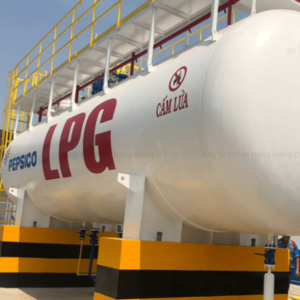
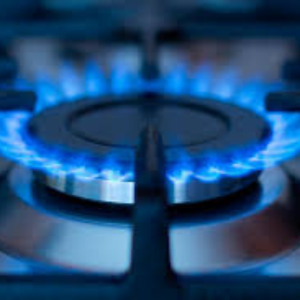
Gas leaks in industrial facilities, laboratories, or commercial kitchens can lead to serious accidents such as explosions or poisoning. Gas detection systems monitor the presence of hazardous gases and trigger alarms if dangerous levels are detected.
Common gases monitored include:
LPG
Methane
Carbon Monoxide
Hydrogen Sulfide
Industrial Toxic Gases
Gas detection systems include sensors, control panels, and alarm systems that alert personnel when gas concentrations exceed safe limits.
Emergency Shutdown Systems
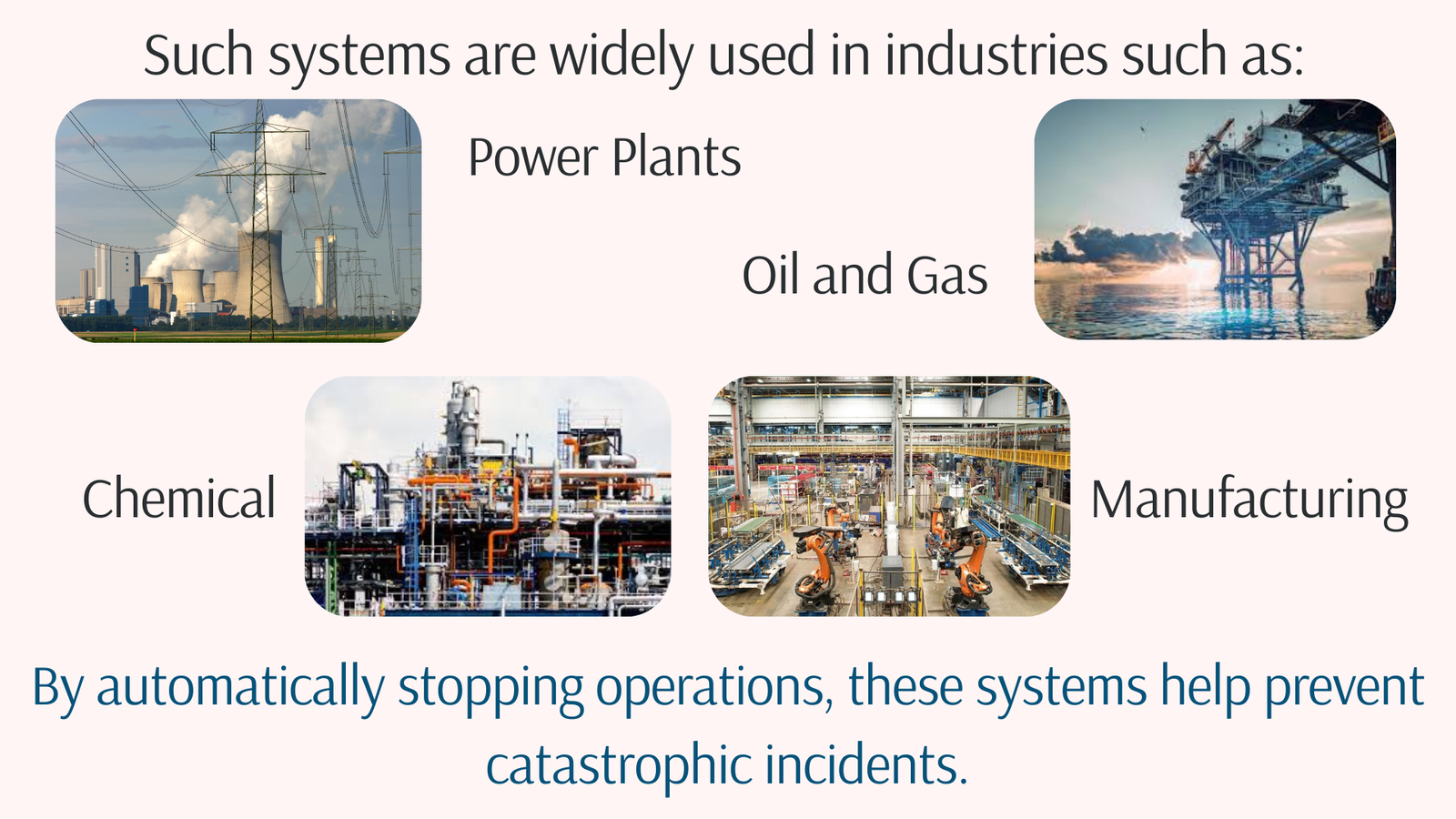
Emergency shutdown systems are designed to stop industrial processes automatically during dangerous situations. These systems help prevent accidents, equipment damage, and environmental hazards.
Emergency shutdown systems may:
Stop Machinery Operations
Shut Down Electrical Power
Close Valves in Pipelines
Isolate Hazardous Materials
Components of a Modern Emergency System
An effective emergency safety system includes several interconnected components that work together to detect hazards and respond quickly.
Key components include:
Sensors and detectors
Control panels
Alarm systems
Emergency lighting
Communication systems
Power backup units
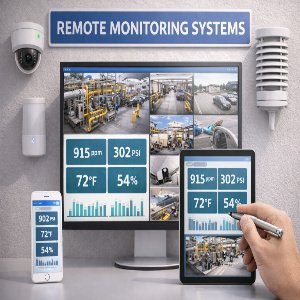
Monitoring systems
Integration between these components ensures that emergency systems function reliably during critical situations.
Maintenance and Testing of Emergency Systems
Installing emergency systems is only the first step. Regular maintenance and testing are essential to ensure that the systems work properly when needed.
Routine maintenance activities include:
Inspection of detectors and sensors
Testing alarm systems
Checking emergency lighting batteries
Verifying communication systems
Inspecting wiring and control panels
Annual inspections and preventive maintenance programs help identify potential issues before they become serious problems.
Organizations should also conduct emergency drills and safety training to ensure that occupants know how to respond during emergencies.
Benefits of Installing Emergency Systems
Installing reliable emergency safety systems offers numerous benefits for organizations and building owners.
Key advantages include:
Enhanced safety for occupants
Faster emergency response
Reduced risk of accidents
Protection of valuable assets
Compliance with safety regulations
Improved organizational reputation
Lower insurance risks
Emergency systems provide peace of mind by ensuring that the facility is prepared to handle unexpected incidents effectively.
Future of Emergency System
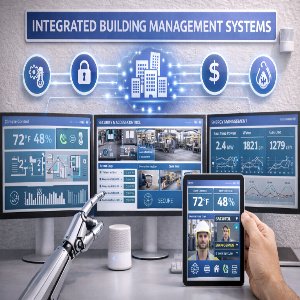
Advancements in technology are making emergency systems smarter and more efficient. Modern systems now incorporate features such as:
These technologies allow faster detection, improved monitoring, and more efficient emergency response.
As smart buildings become more common, emergency safety systems will continue to evolve to provide even greater levels of protection.