CCTV Surveillance System
A CCTV Surveillance System is a security system that uses video cameras to monitor and record activities in homes, offices, factories, shops, and public places. It helps in crime prevention, monitoring, and evidence recording.
What is a CCTV Surveillance System?
A CCTV Surveillance system captures video footage through cameras and transmits it to a specific set of monitors or recording devices. Unlike broadcast television, CCTV signals are not publicly distributed.
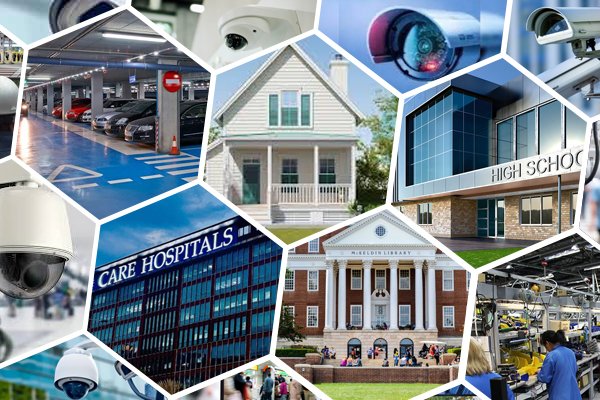
It is widely used in:
Homes & Apartments
Offices & Corporate Buildings
Factories & Warehouses
Schools & Hospitals
Shops & Shopping Malls
Parking Areas
Main Components of CCTV Surveillance System
Camera
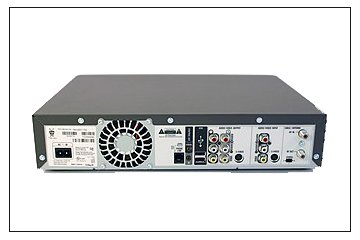
DVR
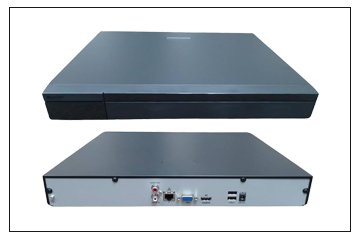
NVR
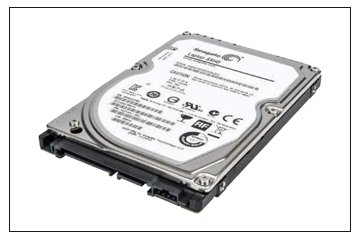
Hard Disk
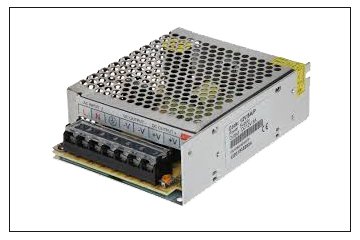
Power Supply
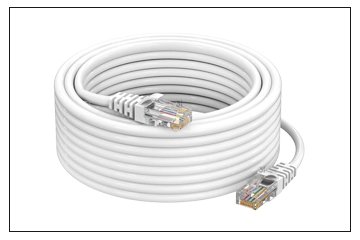
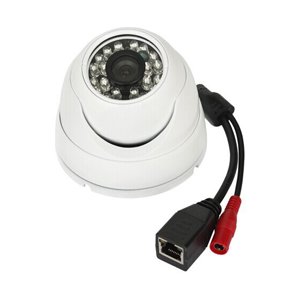
Network Wire
Monitor
Mobile App
Types of CCTV Surveillance Systems
Analog/HD Camera
Easy to Access
IP Camera
Internet-based high-quality video
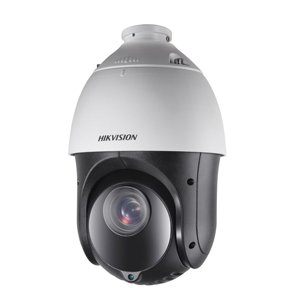
PTZ Camera
Pan, Tilt & Zoom control
Wireless Camera
No heavy cabling required
Benefits of CCTV Surveillance System
CCTV Installation Services
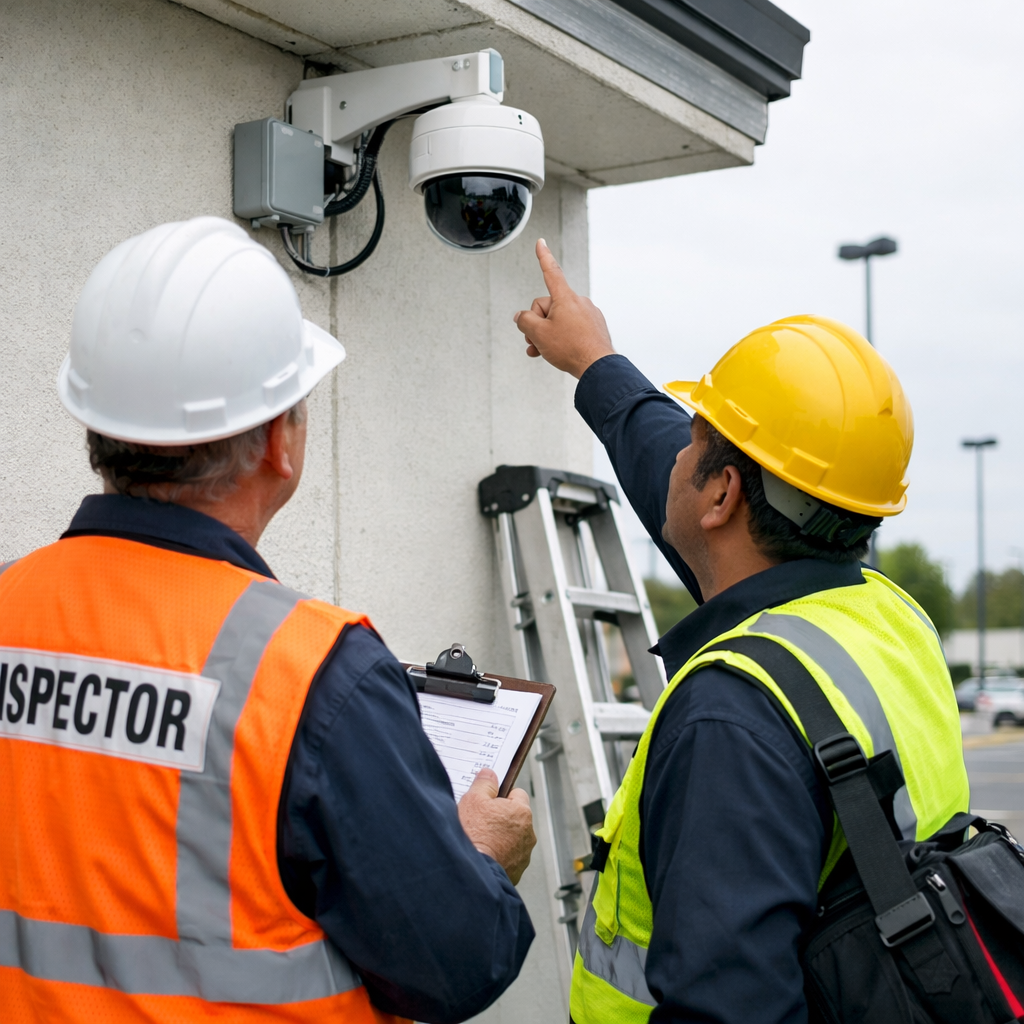
Site Inspection
Camera Placement
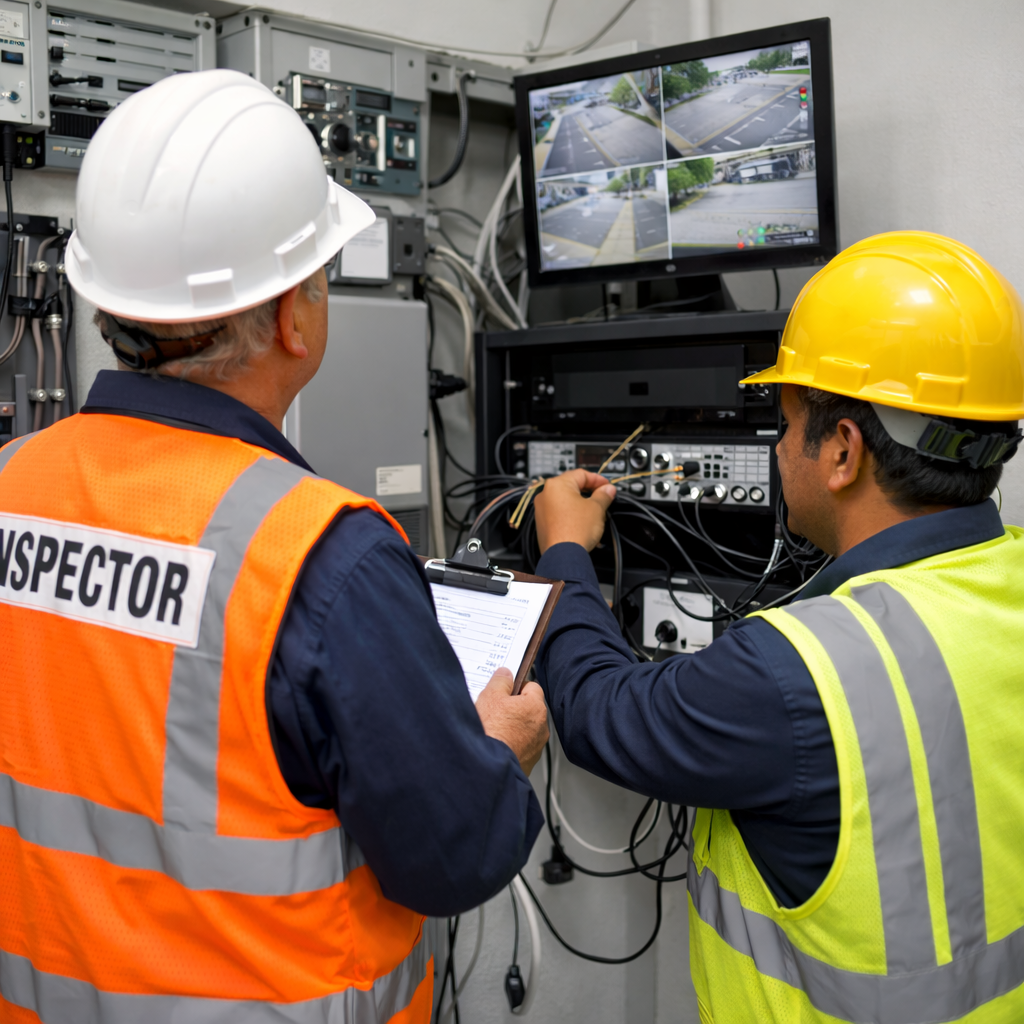
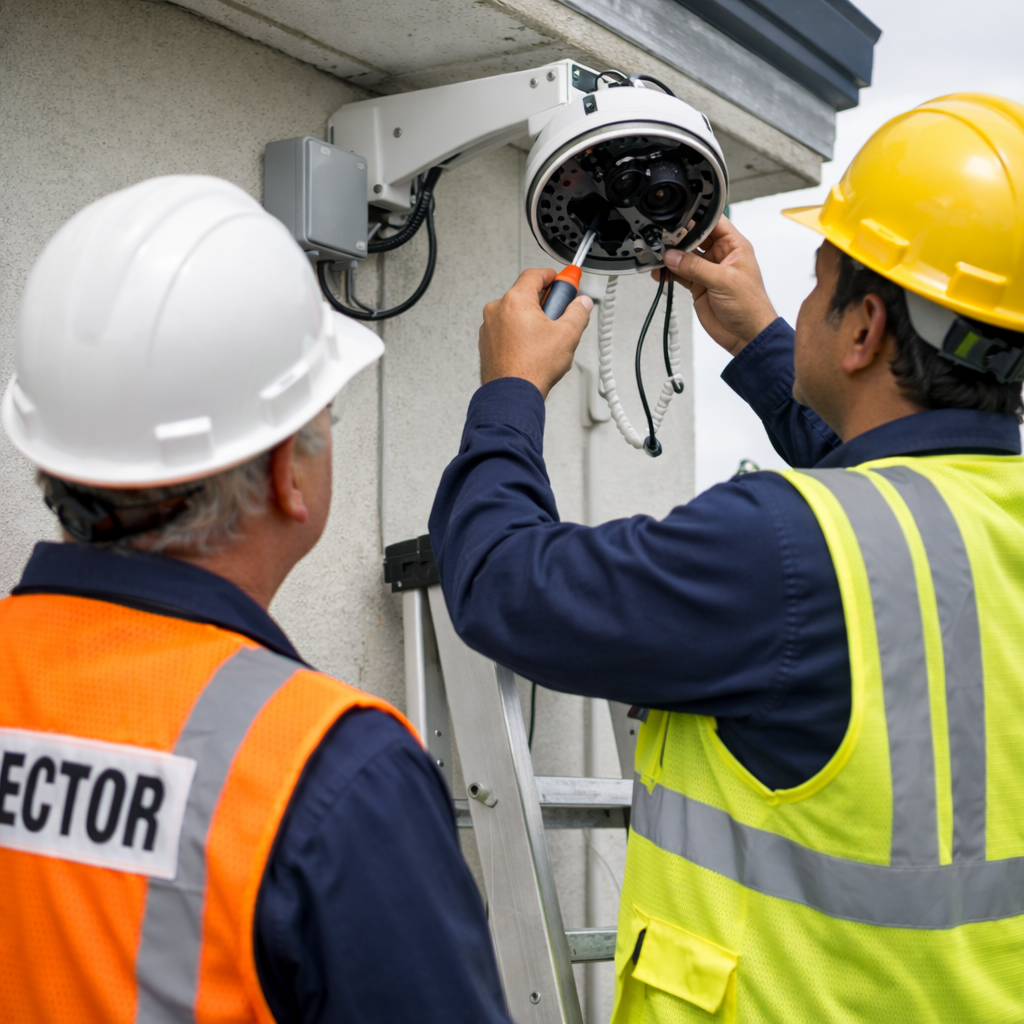
Wiring & Setup
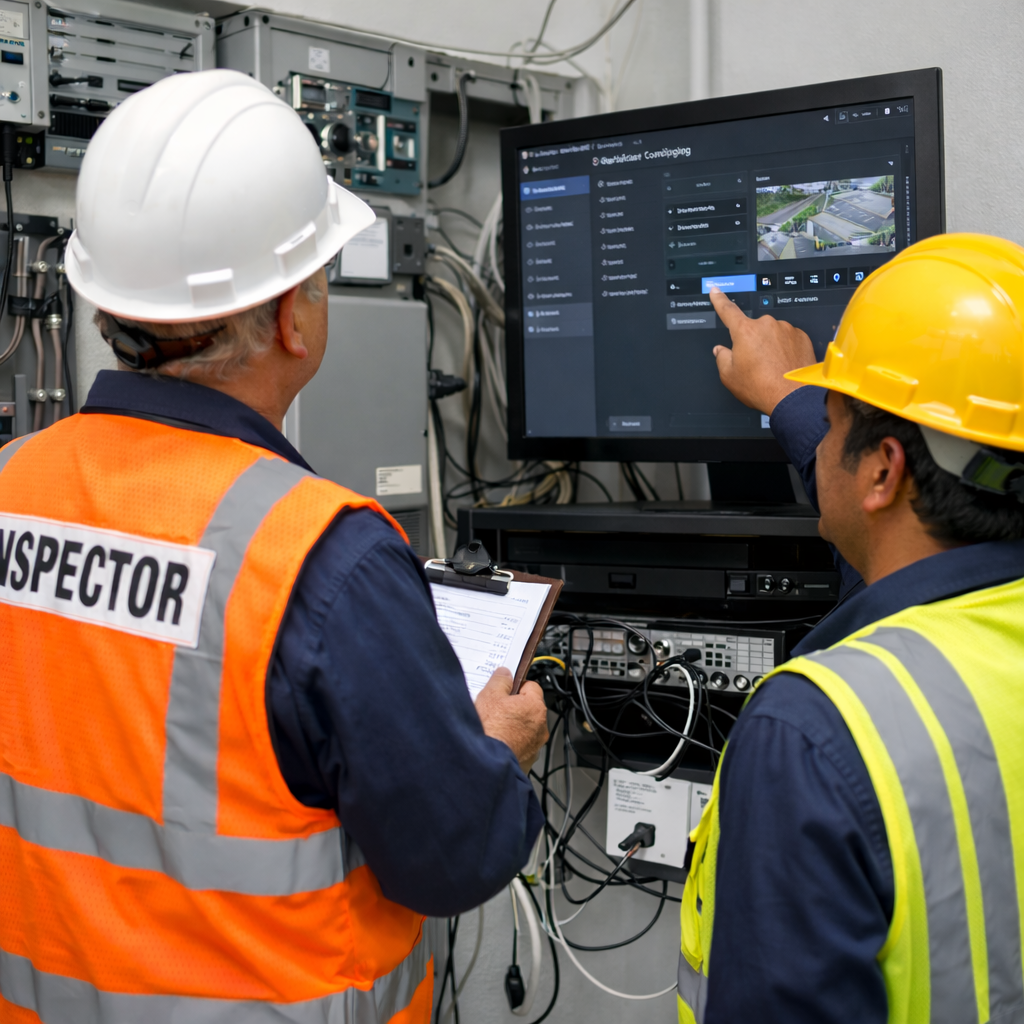
System Configuration
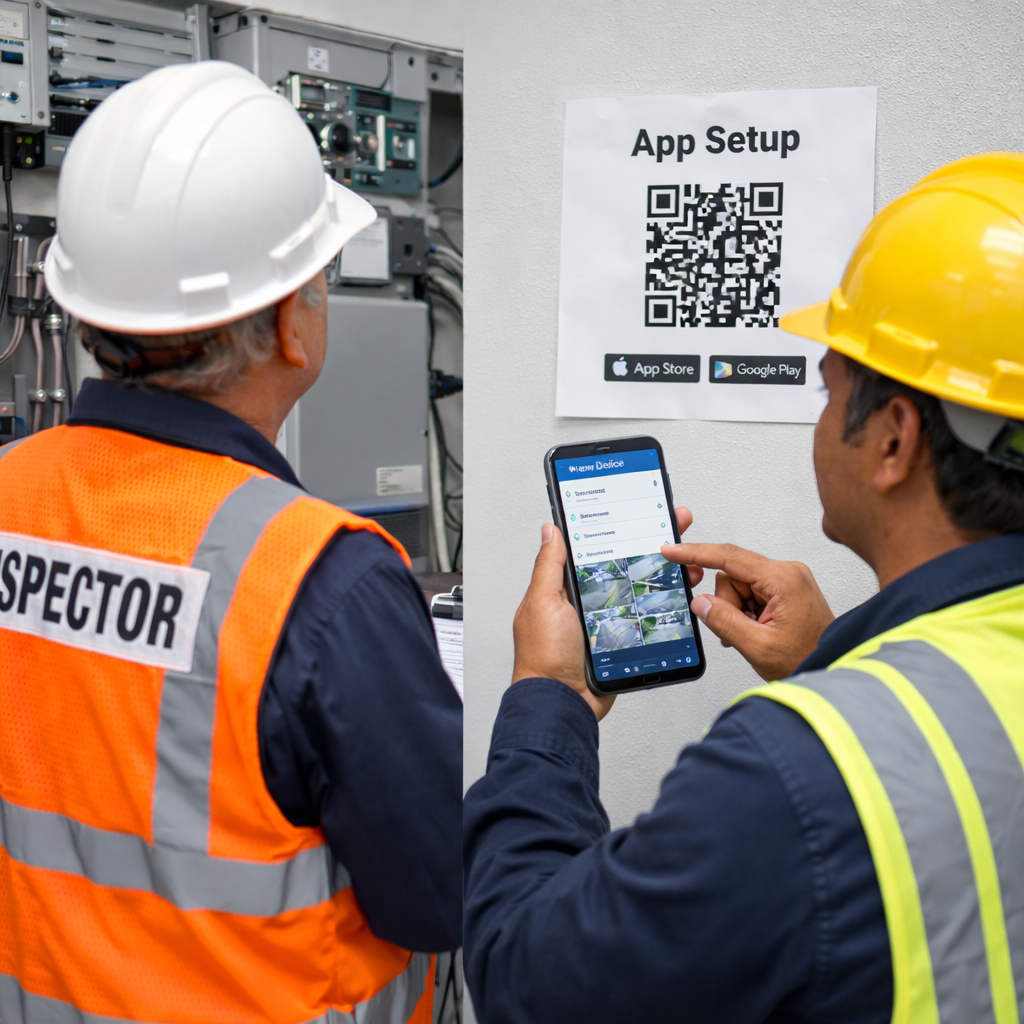
Mobile App Setup
Maintenance Support
Choosing the right types of CCTV Surveillance System for your property
Choosing the right CCTV camera system requires careful evaluation of different camera types based on their form factor, connectivity options, and the environment where they will be installed. Whether for residential, commercial, or industrial use, selecting the appropriate system ensures reliable performance and long-term security.
To meet your specific security requirements, it is also important to consider additional factors such as image quality, storage capacity, night vision capability, remote access features, and scalability. A well-planned CCTV system not only enhances safety but also provides peace of mind through continuous monitoring and dependable surveillance.
1. Property Size & Layout
When selecting a CCTV system, property size and layout play a crucial role in determining the number of cameras required, their placement, and the type of system best suited for your needs. A properly planned layout ensures complete coverage without blind spots and maximizes the effectiveness of your surveillance system.
Small Properties (Homes, Small Shops)
For smaller properties, such as apartments, small houses, or retail shops, 2–4 cameras are usually sufficient. Key areas to monitor include:
Main entrance and exit
Cash counter or living room
Parking area (if available)
Backyard or balcony
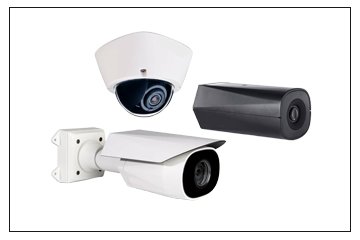
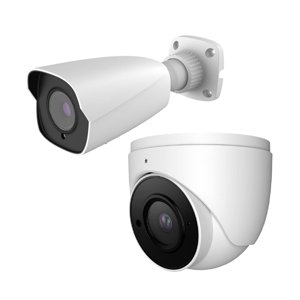
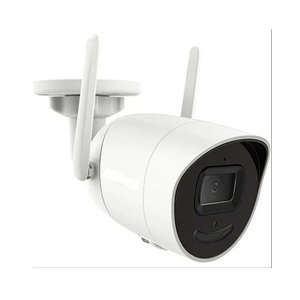
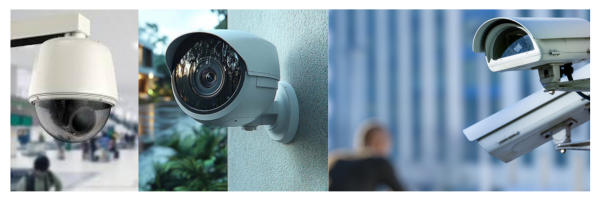
Wide-angle dome cameras are often ideal for indoor spaces, while bullet cameras work well for outdoor entrances. Proper positioning ensures clear identification of faces and activities.
Medium-Sized Properties (Offices, Clinics, Showrooms)
Medium-sized properties require a more strategic approach. You may need:
Multiple cameras covering corridors and work areas
Dedicated cameras for reception and storage rooms
Outdoor cameras for entry gates and parking
In such cases, IP-based systems with centralized monitoring provide better flexibility and scalability.
Large Properties (Warehouses, Factories, Commercial Buildings)
Large properties demand advanced planning. Factors to consider include:
Total square footage
Height of ceilings
Multiple floors or sections
Lighting conditions
PTZ cameras are useful for covering wide spaces, while fixed cameras handle specific entry points. High-resolution cameras are recommended to capture details from a distance.
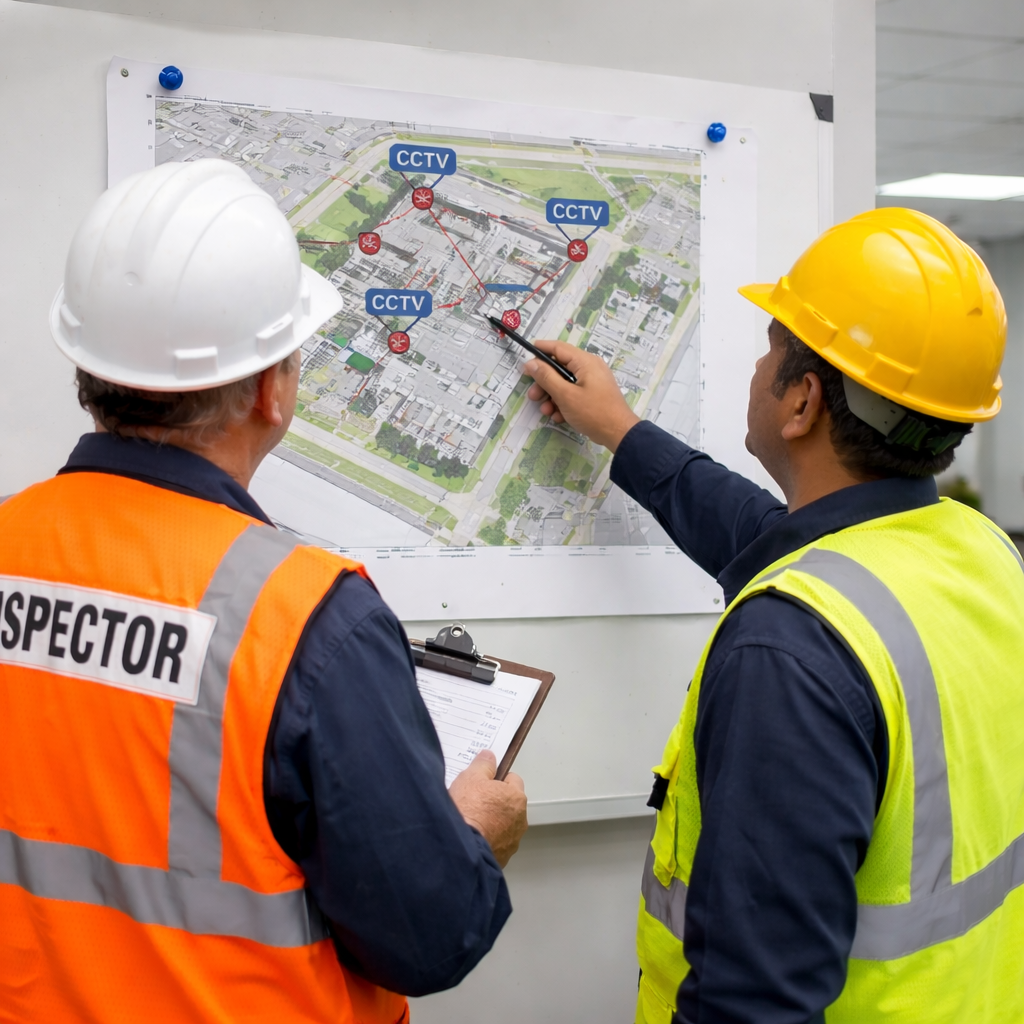
Layout & Blind Spot Analysis
Every property has unique structural elements like pillars, walls, staircases, and partitions that can block camera views. Conducting a professional site survey helps:
Identify blind spots
Optimize camera angles
Avoid overlapping coverage
Ensure proper cable routing
Future Expansion
If you plan to expand your property or business, choose a system that allows easy addition of extra cameras without replacing the entire setup.
In short, understanding your property’s size and layout ensures efficient surveillance, cost optimization, and complete security coverage. A well-designed CCTV layout provides peace of mind and long-term protection.
2. Indoor vs Outdoor Installation: Choosing the Right CCTV Setup
When planning a CCTV system, understanding the difference between indoor and outdoor installation is essential. Each environment presents unique challenges, and selecting the correct camera type ensures durability, clear footage, and reliable performance.
Indoor CCTV Installation
Indoor cameras are designed for controlled environments such as homes, offices, shops, banks, and commercial buildings. These cameras are generally compact, lightweight, and aesthetically designed to blend with interiors.
Key Features of Indoor Cameras:
Dome or compact design
Suitable for ceiling or wall mounting
Wide-angle lens for room coverage
Basic infrared (IR) night vision
Not weatherproof
Ideal Locations:
Living rooms and hallways
Reception areas
Corridors and workspaces
Cash counters and storage rooms
Indoor cameras focus on monitoring human activity, employee performance, customer behavior, and preventing theft or unauthorized access within enclosed spaces.
Outdoor CCTV Installation
Outdoor cameras are specifically built to withstand harsh environmental conditions such as rain, dust, heat, humidity, and extreme sunlight. They are more rugged and often come with weatherproof ratings like IP66 or IP67.
Key Features of Outdoor Cameras:
Weatherproof and dustproof housing
Stronger night vision for low-light areas
Long-range viewing capability
Vandal-resistant casing
Higher durability
Ideal Locations:
Main gates and entrances
Parking areas
Building perimeters
Warehouses and factory yards
Outdoor cameras require proper mounting height and secure cabling to prevent tampering or damage. They are essential for perimeter security and monitoring external threats.
Important Considerations
Lighting Conditions: Outdoor areas may need advanced night vision or low-light cameras.
Weather Resistance: Ensure appropriate IP rating for outdoor use.
Cable Protection: Outdoor wiring must be shielded from moisture and physical damage.
Placement Height: Proper mounting prevents vandalism and ensures better coverage.
Choosing the correct indoor and outdoor CCTV setup ensures comprehensive security coverage for your property. A professionally installed system protects both internal activities and external surroundings, providing complete peace of mind.

3. Video Quality: Why It Matters in a CCTV System
Video quality is one of the most important factors when choosing a CCTV system. The primary purpose of surveillance is to capture clear, usable footage that helps in identifying faces, vehicle numbers, and suspicious activities. Poor video quality can make recorded footage useless during critical situations.
Resolution (Clarity of Image)
Resolution determines how clear and detailed the footage will be. It is measured in pixels.
HD (720p): Basic clarity, suitable for small indoor areas.
Full HD (1080p): Clear facial recognition and better detail.
2MP / 4MP / 5MP Cameras: Higher sharpness and wider coverage.
4K (8MP): Ultra-high definition, ideal for large commercial or industrial spaces.
Higher resolution provides better identification, especially when zooming into recorded footage.
Frame Rate
Frame rate (measured in FPS – frames per second) affects how smooth the video appears. A higher FPS ensures smooth motion recording, which is important for monitoring moving vehicles or people. Most standard systems use 20–30 FPS for effective surveillance.
Night Vision & Low-Light Performance
Good video quality is not just about daytime clarity. CCTV cameras must perform well in low-light or dark conditions. Features to look for:
Infrared (IR) night vision
Color night vision technology
Wide Dynamic Range (WDR) for balanced lighting
These features ensure clear footage even during nighttime or in areas with mixed lighting.
Digital Zoom & Image Sensors
High-quality image sensors improve color accuracy and detail. Cameras with better sensors allow digital zoom without excessive pixelation. This is crucial when reviewing recorded footage for evidence.
Storage & Bandwidth Considerations
Higher video quality requires more storage space and network bandwidth. Choosing the right balance between resolution and storage capacity ensures efficient system performance without unnecessary costs.
In conclusion, investing in high video quality ensures reliable monitoring, clear identification, and stronger security. Whether for homes, offices, or industrial properties, choosing the right resolution and features guarantees that your CCTV system delivers dependable and professional surveillance results.