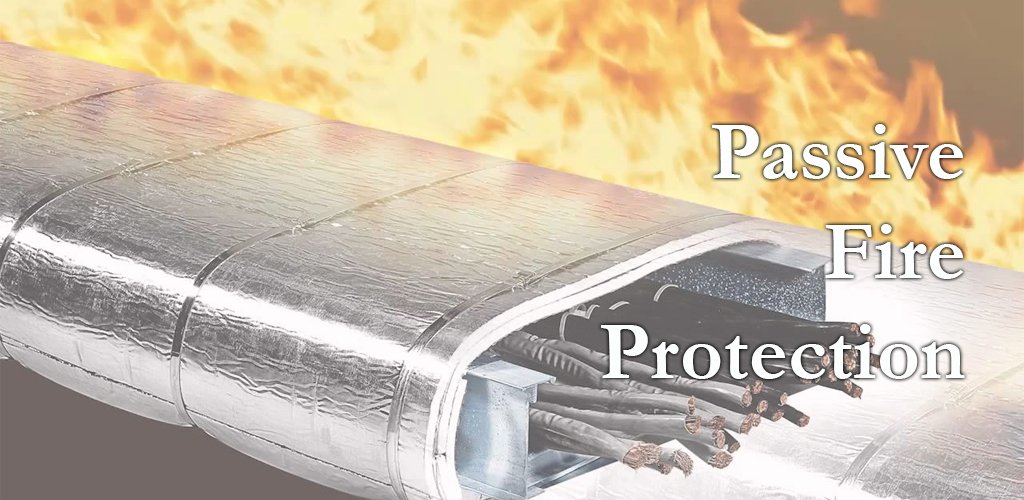
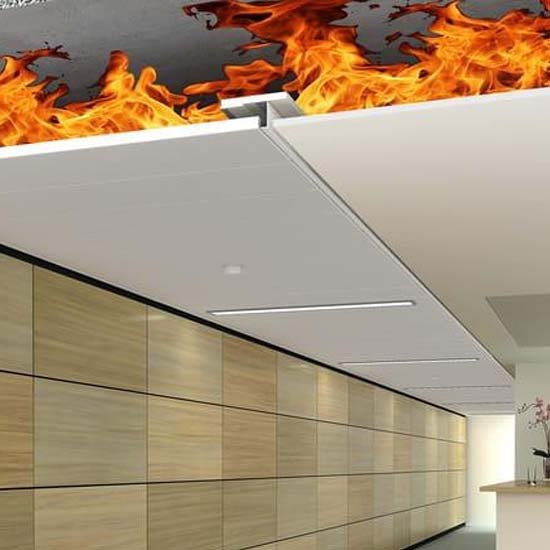
We provide advanced passive fire protection (PFP) solutions designed to contain fire, prevent its spread, and protect lives and property. Our systems are engineered to enhance building safety by maintaining structural integrity and creating safe evacuation routes during fire emergencies.
Our services include fire stopping systems, fire-resistant coatings, fire-rated walls and partitions, cable and pipe sealing, fire doors, and compartmentation solutions. We ensure that all installations comply with relevant fire safety standards and building regulations.
With a focus on quality materials, precise installation, and long-term performance, our expert team delivers reliable fire protection systems for residential, commercial, and industrial projects. Passive fire protection works silently in the background, providing critical safety without the need for activation.
Passive Fire Protection (PFP) is a critical component of a building’s overall fire safety strategy. Unlike active systems (such as sprinklers or alarms), passive fire protection works continuously and automatically—without requiring activation—to contain fire, slow its spread, and protect structural integrity.
It is built directly into the structure of a building and is designed to buy time—time for occupants to evacuate safely and for emergency services to respond effectively.
What is Passive Fire Protection?
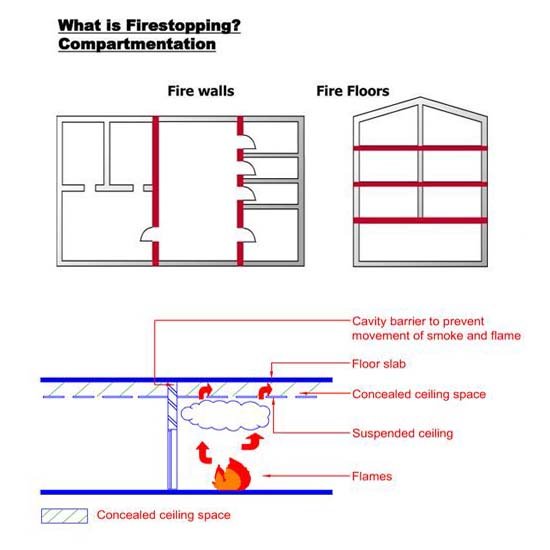
Passive fire protection involves the use of fire-resistant materials and systems that compartmentalize a building into smaller sections. This prevents fire, heat, and smoke from spreading rapidly across different areas.
The primary goal is to:
One
Contain fire within a specific zone
Two
Maintain structural stability
Three
Protect escape routes (stairs, corridors, exits)
Four
Minimize property damage
Key Components of Passive Fire Protection
Fire-Rated Doors & Partitions
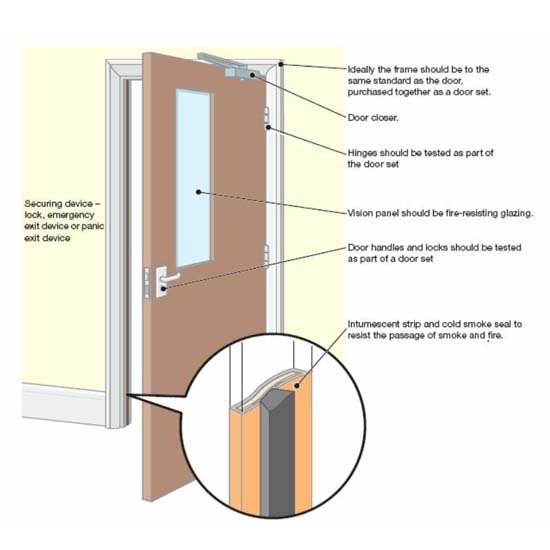
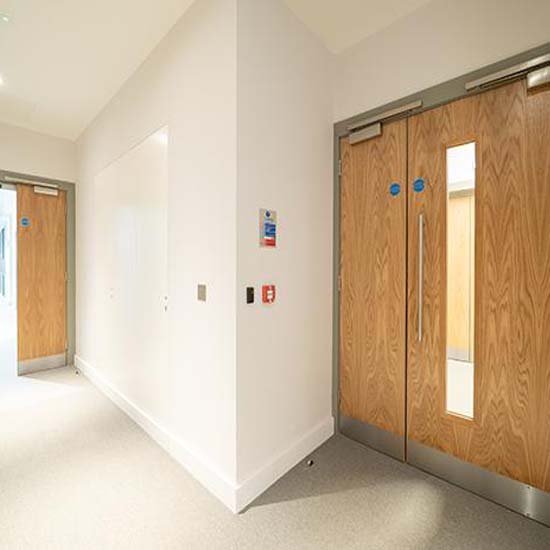
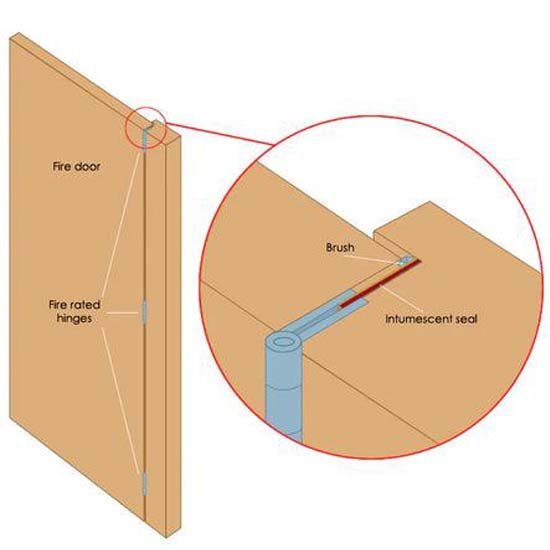
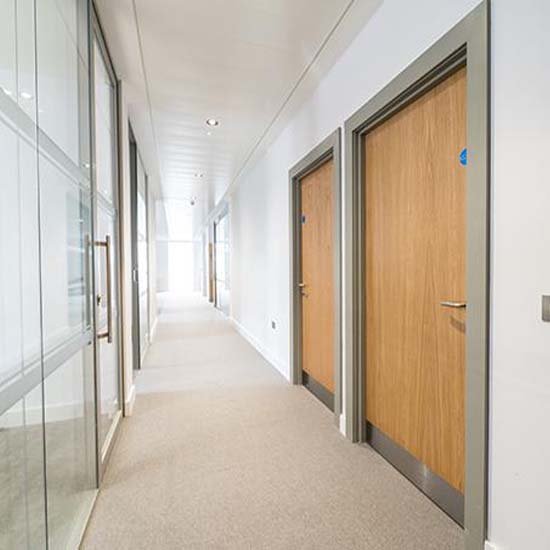
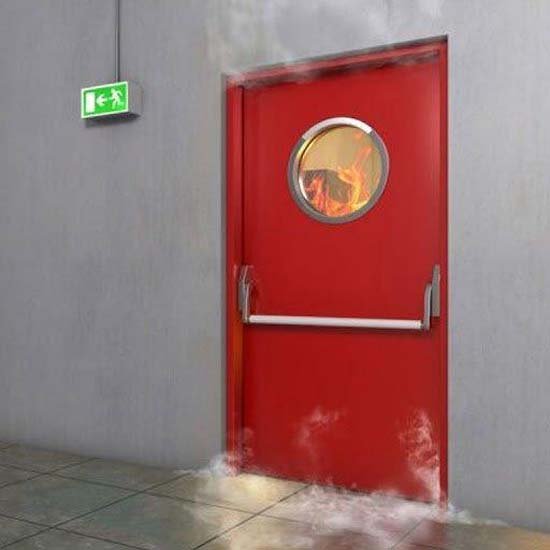
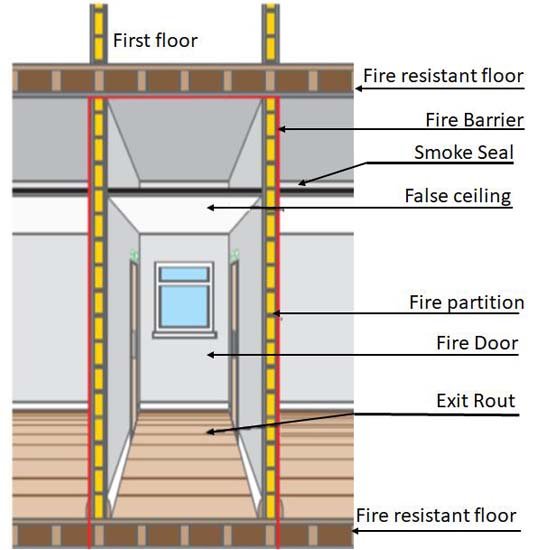
Fire-rated doors and walls are designed to withstand fire for a specific duration (30, 60, 90, or 120 minutes). They prevent flames and smoke from spreading between compartments and ensure safe evacuation routes.
Fire Stopping Systems
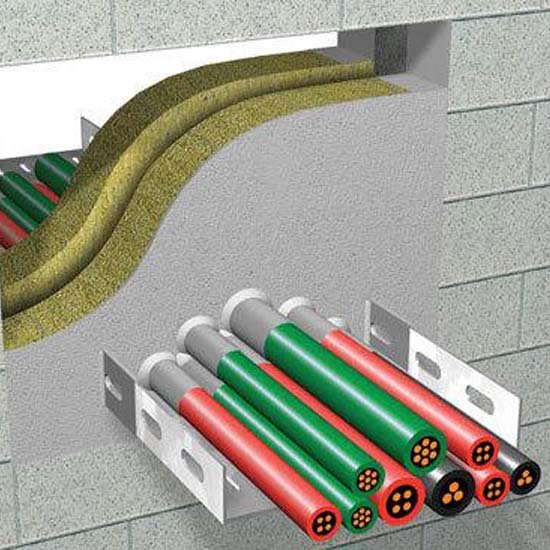
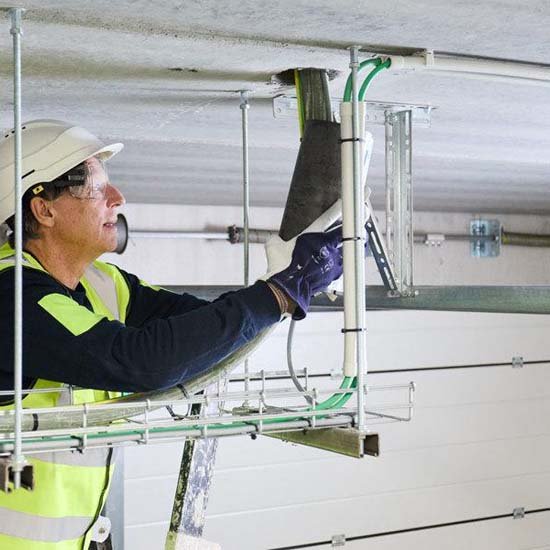
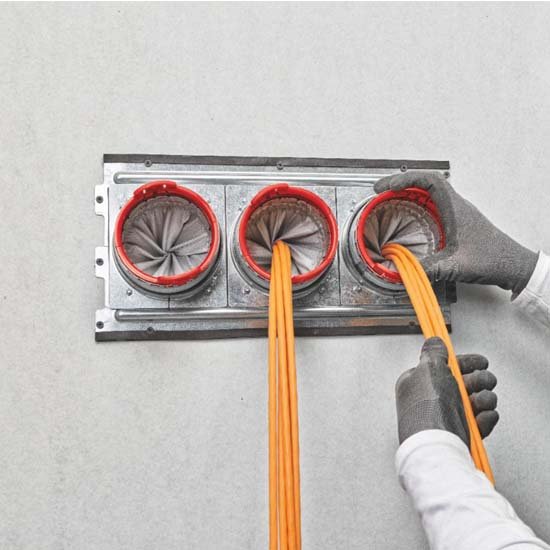
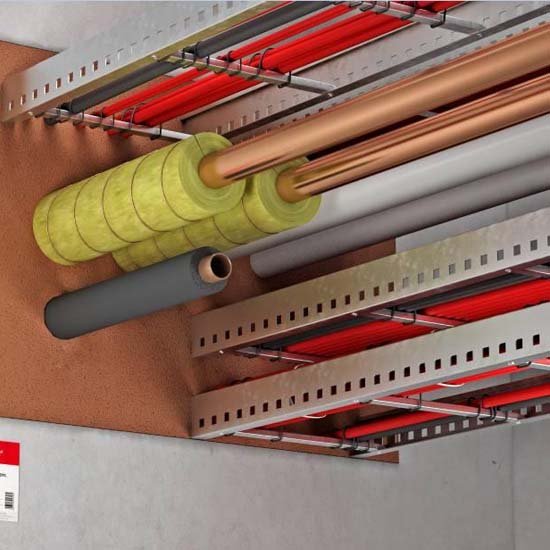
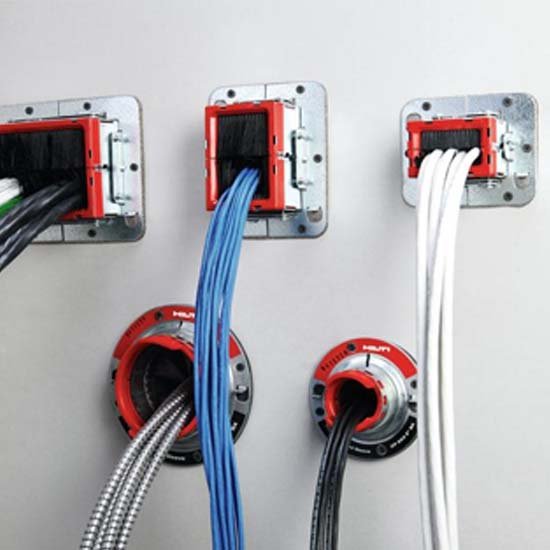
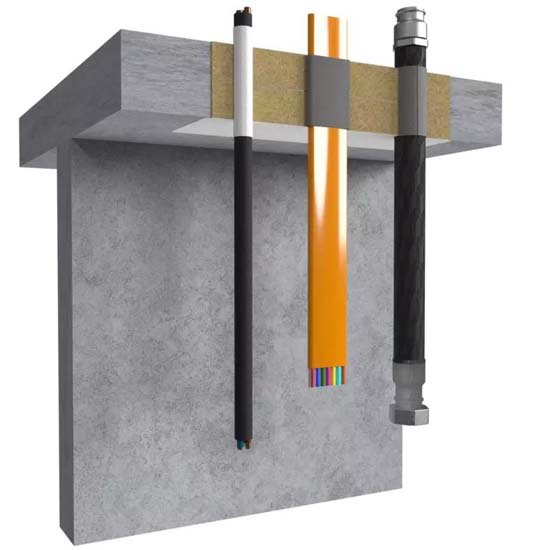
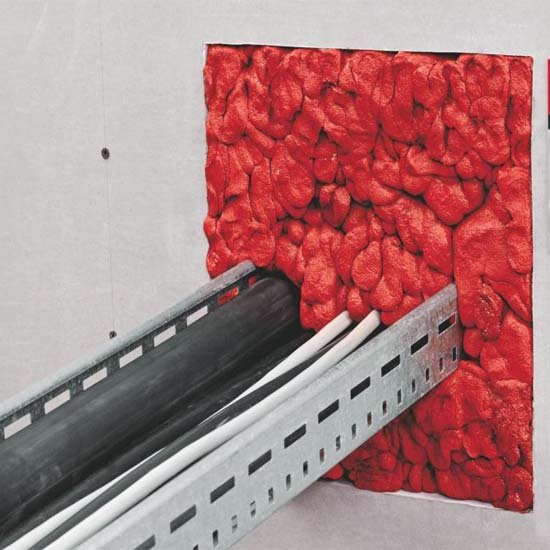
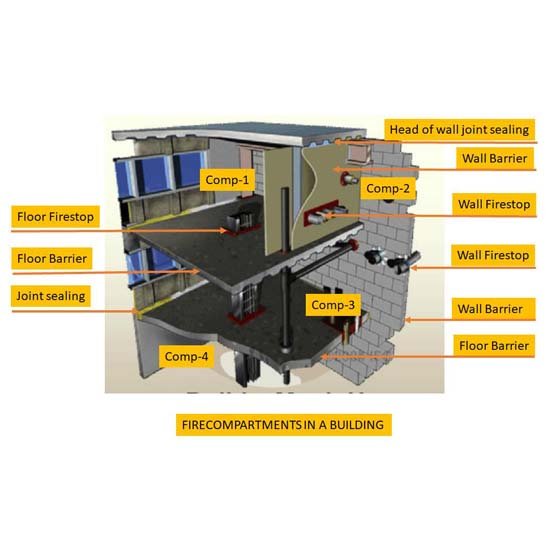
Fire stopping seals gaps around pipes, cables, and ducts that pass through walls or floors. These openings can allow fire and smoke to spread if not properly sealed.
Fire-Resistant Coatings
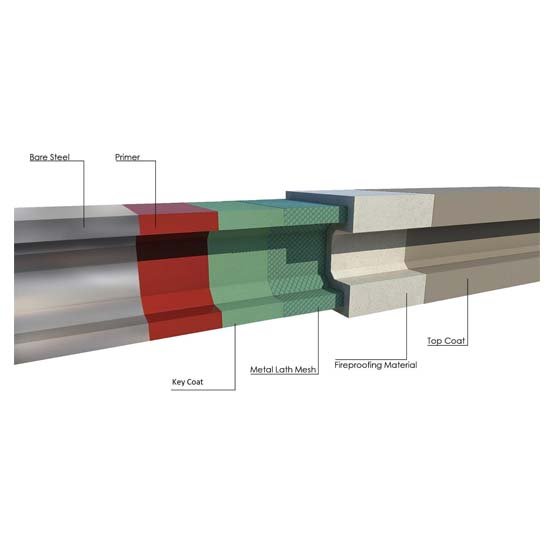
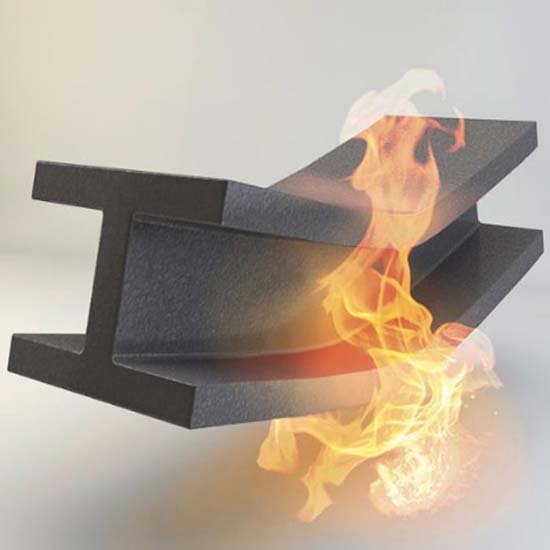
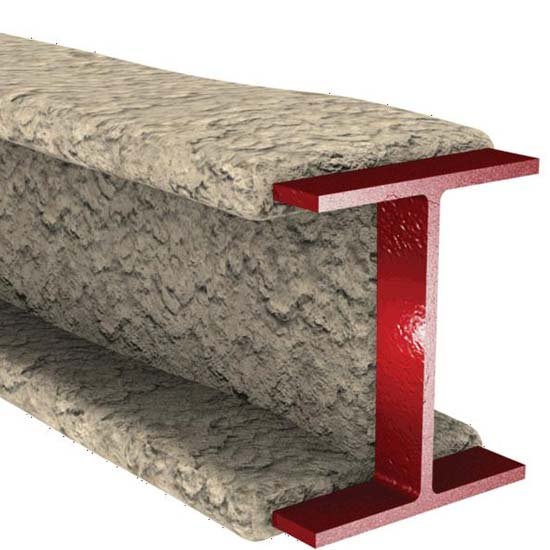
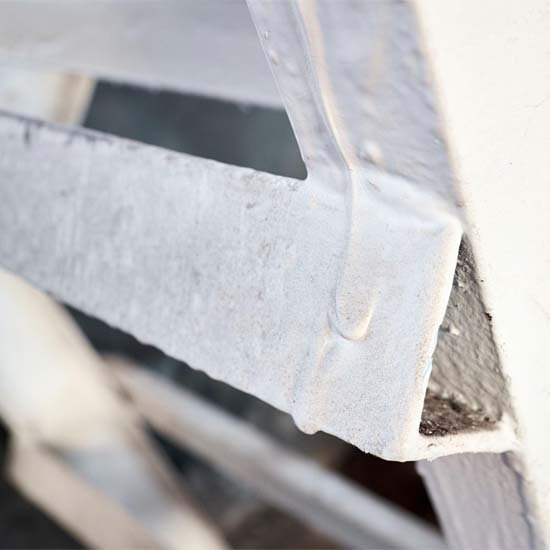
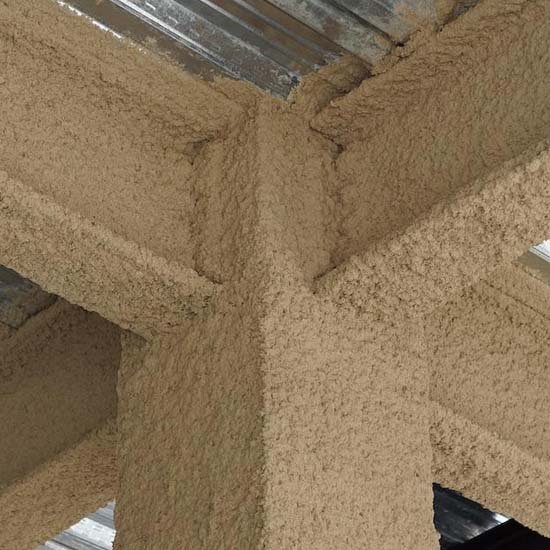
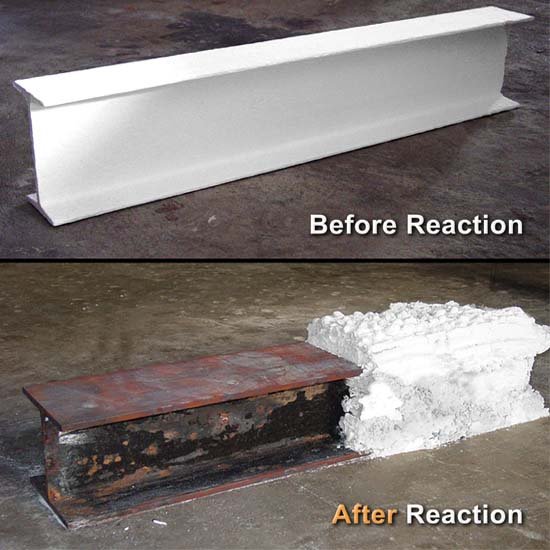
Intumescent coatings expand when exposed to heat, forming an insulating layer that protects structural elements like steel beams from collapse during a fire.
Compartmentation Systems
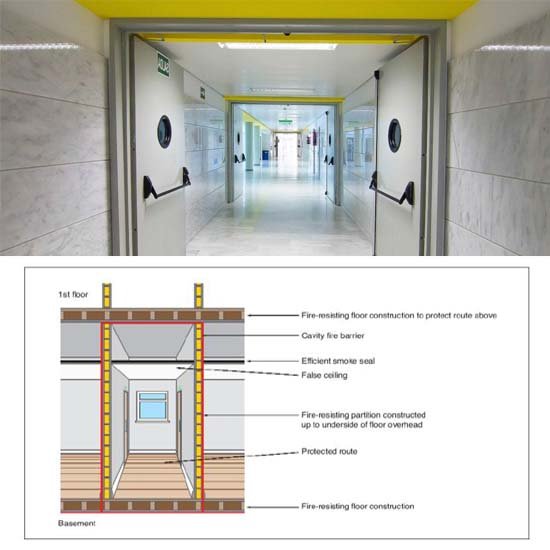
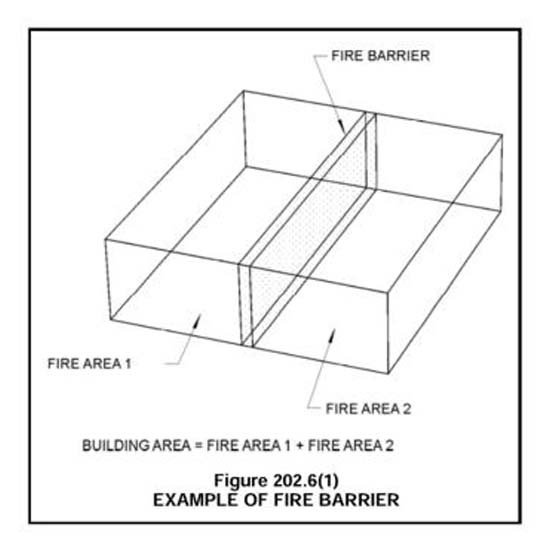
Buildings are divided into fire-resistant compartments to limit fire spread. This ensures that a fire in one area does not quickly affect the entire structure.