Fire Alarm System – Definition, Components, and Types
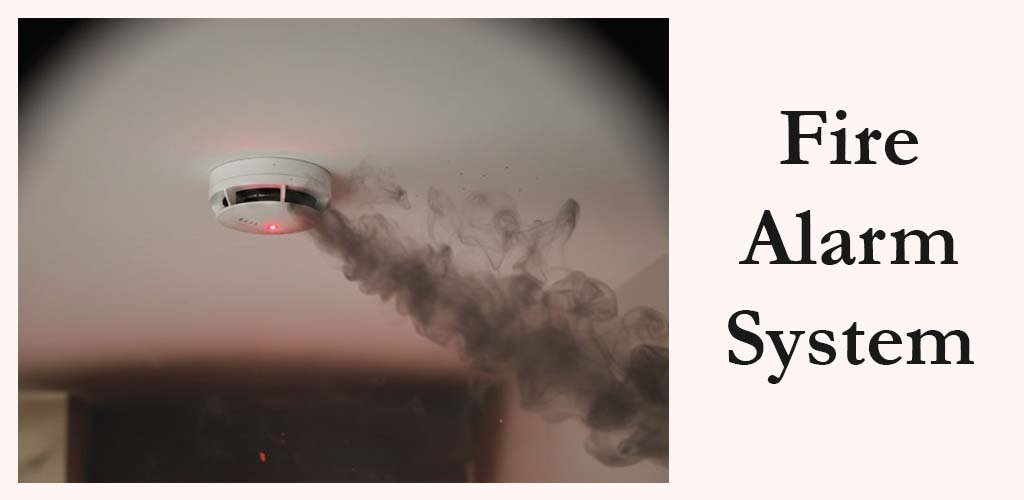
A Fire Alarm System is a critical fire safety solution designed to detect fire, smoke, or heat and alert occupants so they can take immediate action to protect lives, staff, and property. These systems play a vital role in early fire detection and emergency evacuation.
Fire alarm systems are widely installed in offices, factories, commercial buildings, residential complexes, and public places. Although they are part of everyday infrastructure, they often go unnoticed until an emergency occurs—when they can save lives and reduce fire damage.
How Does a Fire Alarm System Work?
A fire alarm system operates through various fire detection devices, such as smoke detectors, heat detectors, and manual call points. When any of these devices sense signs of fire, the system is activated.
Alarm sounders and visual indicators operate immediately
Occupants are warned of a potential fire emergency
People are guided to evacuate the building safely
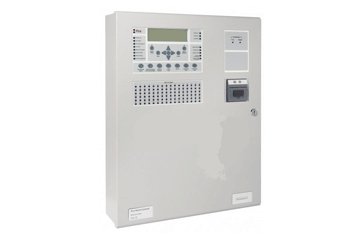
Fire Alarm Control Panel – The Brain of the System
Support for both conventional zones and addressable loops
Expandable capacity for more devices
Event logging & diagnostics
User interface with status display
Compatibility with both old and new alarm devices
Optional networking with other systems
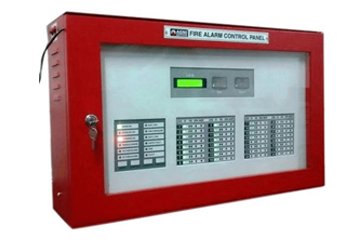
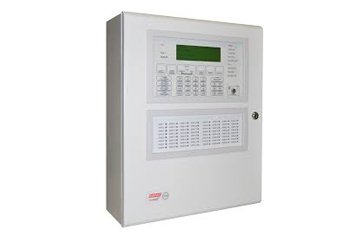
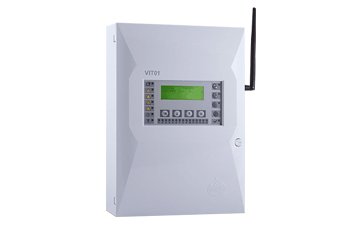
The Fire Alarm Control Panel (FACP) is the central monitoring unit of the fire alarm system. It receives signals from all detection devices and controls the system’s response.
Key functions of the fire alarm control panel include:
Monitoring smoke and heat detectors
Displaying system status and fault indications
Activating alarms during a fire emergency
Allowing manual or test activation for fire drills
The control panel can be programmed to simulate alarm conditions, ensuring that employees and occupants are trained and know the correct evacuation procedure during a real fire.
Fire Alarm System Diagram and Components
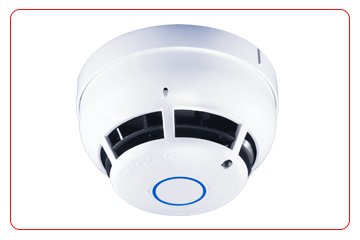
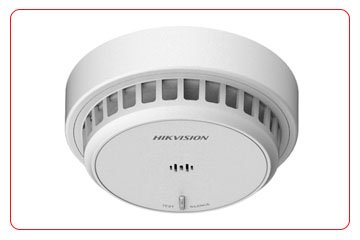
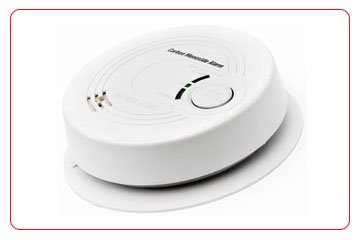
Smoke Detector
Heat Detector
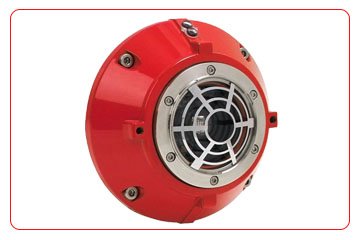
Flame Detector
Gas Detector
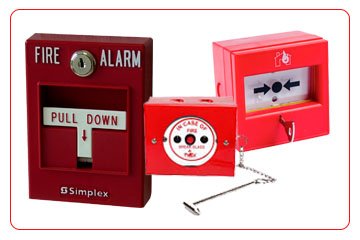
Mannual Call Point
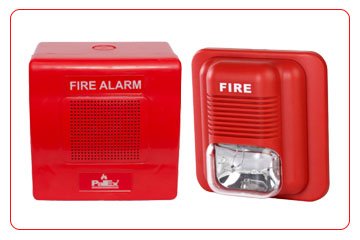
Hooter
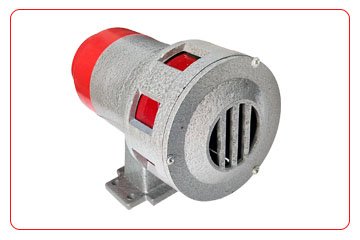
Siren
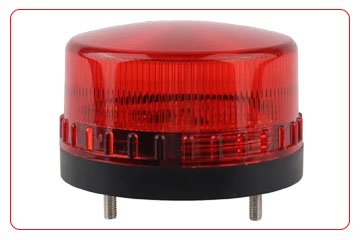
Strobe Light
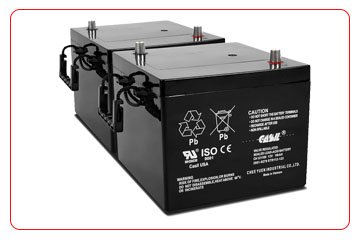
Batteries
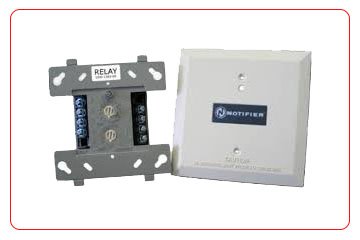
Relay Module
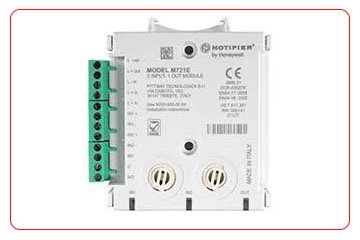
In-Output Module
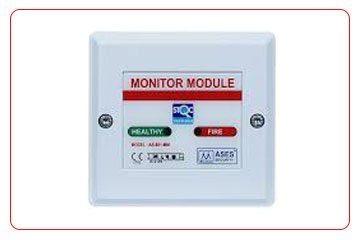
Monitor Module
A fire alarm system is the first line of defense against fire hazards. Choosing the right type of system and detectors based on building size and risk level is essential for effective fire protection.