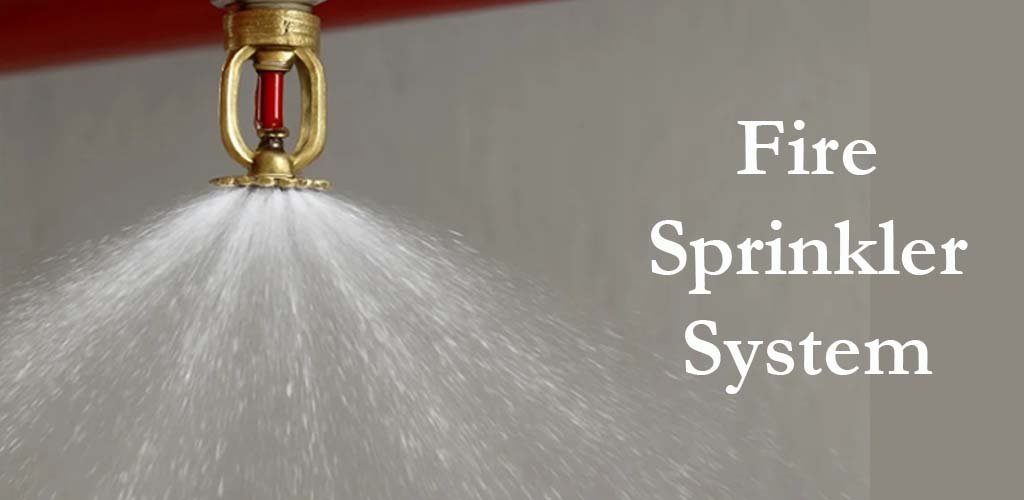
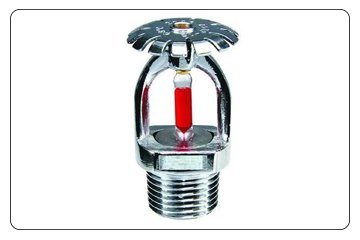
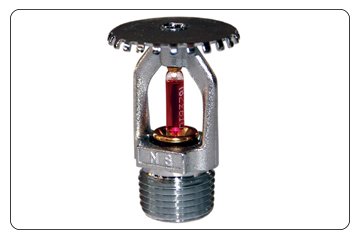
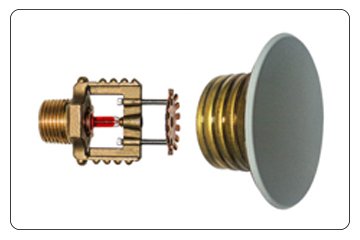
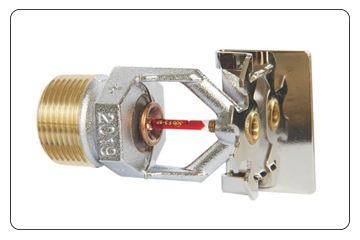
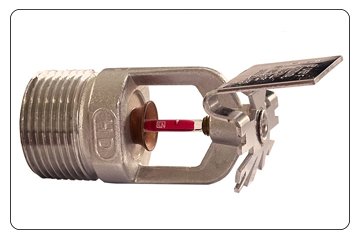
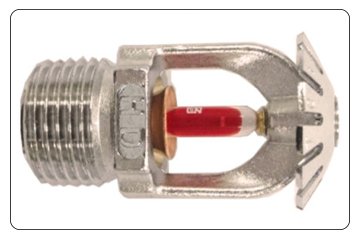
A Fire Sprinkler System is an automatic fire protection system designed to detect heat and control or extinguish fires at an early stage. It consists of a network of pipes connected to sprinkler heads that release water when a fire is detected. Fire sprinkler systems are widely used in residential buildings, commercial complexes, industrial facilities, warehouses, hospitals, and shopping malls to protect life and property.
Fire sprinkler systems are one of the most reliable fire suppression technologies because they react quickly to heat and start controlling the fire before it spreads. According to global fire safety statistics, properly installed sprinkler systems can reduce fire damage and save lives by controlling fires within the first few minutes.
How a Fire Sprinkler System Works
A sprinkler system operates automatically when a certain temperature is reached due to fire.
Working Process
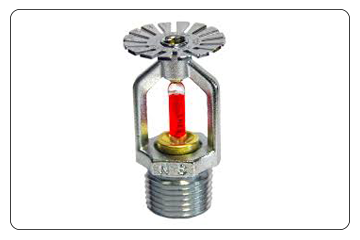
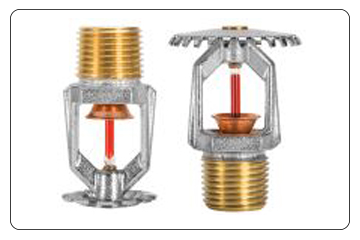
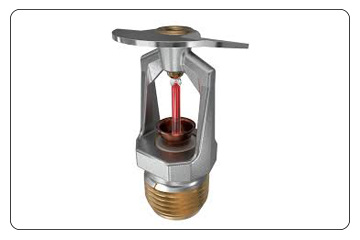
Heat Detection Each sprinkler head contains a heat-sensitive glass bulb or fusible link.
Activation When the surrounding temperature rises (usually around 68°C to 74°C), the bulb bursts or the fusible link melts.
Water Release Water flows from the sprinkler head directly onto the fire.
Fire Control The water cools the fire and prevents it from spreading.
Selective Operation Only the sprinkler head closest to the fire activates, minimizing water damage.
This quick response helps control fires before firefighters arriv
Advantages of Sprinkler Systems
Installing a fire sprinkler system offers several benefits.
1. Early Fire Control
Sprinklers control fires immediately after detection.
2. Life Protection
They reduce smoke, heat, and fire spread, helping occupants escape safely.
3. Property Protection
Sprinklers significantly reduce property damage caused by fire.
4. Automatic Operation
No human intervention is required.
5. Reduced Insurance Costs
Many insurance companies offer discounts for buildings with sprinkler systems.
6. Reliable and Effective
Sprinklers have a very high success rate in controlling fires.
Main Components of a Fire Sprinkler System
A complete fire sprinkler system consists of several important components.
1. Sprinkler Heads
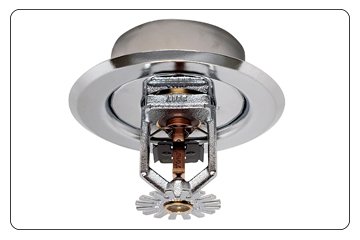
Sprinkler heads are installed on ceilings or walls. They release water when exposed to high heat.
Types include:
Pendant sprinkler
Upright sprinkler
Sidewall sprinkler
Concealed sprinkler
2. Water Supply
A reliable water supply is essential for the system. It can come from:
Underground water tanks
Overhead tanks
Fire pumps
Municipal water supply
3. Piping System
A network of pipes distributes water from the source to the sprinkler heads. These pipes are usually made of steel or CPVC.
4. Fire Pump
Fire pumps increase water pressure so that water reaches sprinkler heads quickly and efficiently.
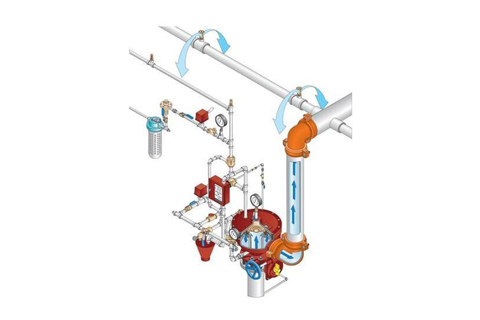
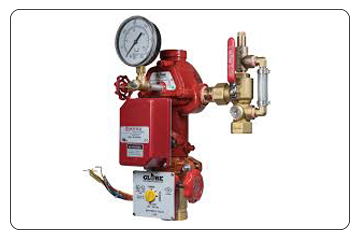
5. Alarm Valve
The alarm valve detects water flow in the sprinkler system and activates the fire alarm system.
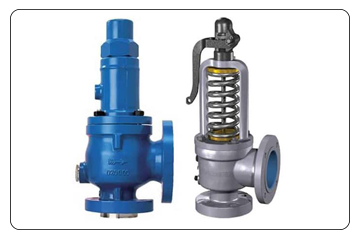
6. Control Valves
Control valves regulate the flow of water in the sprinkler system and allow maintenance operations.
Types of Fire Sprinkler System
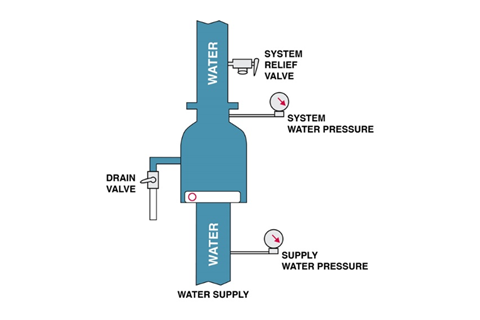
Wet Pipe Fire Sprinkler System
Pipes are permanently filled with water
Sprinkler activates immediately when heat is detected
Simple design and low maintenance
Best for residential, commercial, and office buildings
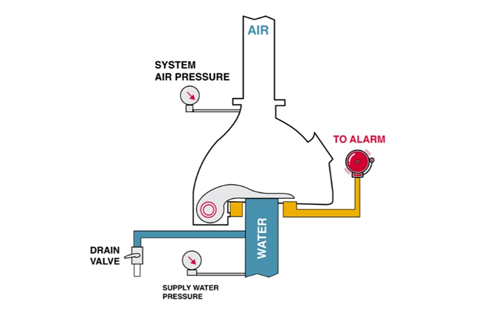
Dry Pipe Fire Sprinkler System
Pipes contain pressurized air or nitrogen
Water is released only after sprinkler activation
Suitable for cold storage and freezing environments
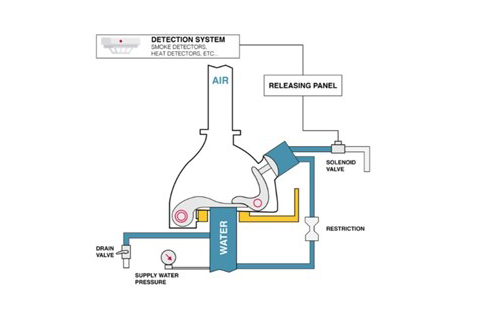
Pre-Action Fire Sprinkler System
Requires fire detection before water enters pipes
Prevents accidental water discharge
Ideal for data centers, electrical rooms, and museums
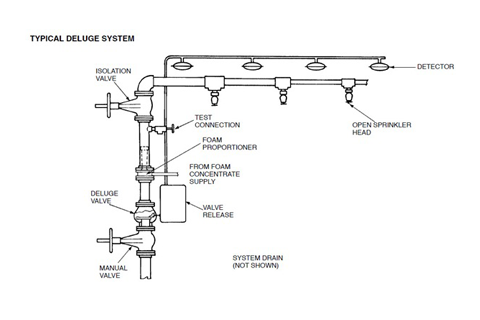
Deluge Fire Sprinkler System
Open sprinkler heads
Water discharges from all sprinklers at once
Designed for high-hazard fire risk areas
Commonly used in chemical plants and power stations
Water Mist Fire Sprinkler System
Uses fine water mist to control fire
Requires less water and causes minimal damage
Suitable for sensitive and high-value equipment areas
Applications of Fire Sprinkler System
Residential apartments and housing societies
Commercial buildings and offices
Factories and industrial units
Warehouses and storage facilities
Hospitals, hotels, and educational institutions
Shopping malls and airports
Benefits of Installing a Fire Sprinkler System
Early fire detection and suppression
Reduced fire damage and downtime
Enhanced building safety and compliance
Lower insurance costs
Increased trust and safety for occupants
At S K Enterprise, we provide design, installation, testing, commissioning, and maintenance of fire sprinkler systems as per approved fire safety norms. Our solutions are customized for factories, MSMEs, commercial buildings, and industrial projects, ensuring maximum safety and compliance.